
Watch anyone grind out the last rep of a heavy squat or deadlift and you will probably see the same face: eyes narrowed, cheeks tight, jaw locked shut. Clenching your teeth while lifting weights is so common that most people never notice they do it. It happens on its own, the moment the bar gets heavy and your body decides it needs every bit of tension it can find.
For most lifters, an occasional hard bite on a big set is harmless. The trouble starts when that clench becomes a habit you bring to every set, every session, for years. Teeth are tough, but they were built for chewing food, and they have limits when the strongest muscles in your face press them together over and over under load.
This guide walks through why your jaw tightens under the bar, what that pressure can do to your teeth and jaw joints over time, and the practical changes (technique, breathing, mouthguards and a few daily habits) that let you keep lifting hard without paying for it at the dentist later.
Why Your Jaw Locks Up Under a Heavy Bar
When you lift something heavy, your body tries to make itself as rigid as possible. You take a big breath, brace your midsection, squeeze your grip and tighten muscles all the way up your spine. The jaw tends to join in. Your neck and jaw muscles are closely linked, and many people find that biting down makes the whole upper body feel more solid and locked in.
There is also a breathing piece to it. Many lifters hold their breath and push against a closed airway during the hardest part of a rep to keep the trunk stiff. Clamping the mouth shut often comes along with that breath hold. Add in effort, focus and a bit of adrenaline, and the jaw muscles fire hard without you ever deciding to bite down.
Habit plays a role too. If you have clenched through every tough set since your first month in the gym, your body treats it as part of the movement. That is why so many people are surprised when a partner or coach points it out. It feels like a normal part of lifting because, for them, it always has been.
Is Clenching During Lifts Actually Harmful?
The honest answer is that it depends on how hard, how often and how long. A brief, firm bite on a one-rep max now and then is unlikely to cause problems for healthy teeth. The jaw is designed to handle short bursts of force. What adds up is repetition: hard clenching on most sets, several times a week, stacked on top of any clenching or grinding you already do during the day or in your sleep.
Your chewing muscles are powerful for their size. When you bite down as hard as you can, that force goes straight into the enamel and the joints in front of your ears. Food gives way when you chew it. A clench under a barbell does not give way at all, so the teeth and joints absorb the full load for the entire rep.
People who already grind at night, have a history of jaw soreness, or have large fillings, crowns or old dental work tend to feel the effects sooner. If you fall into one of those groups, it is worth paying closer attention to what your jaw is doing in the gym.
The Teeth Problems That Can Creep Up on Gym Regulars
Damage from clenching tends to build slowly and quietly. Very few people walk out of the gym with a broken tooth after one session. Instead, small changes pile up over months and years until something finally gets noticed. Here are the most common ones.
Worn and flattened edges
Constant pressure, especially if your teeth slide a little as you clench, can wear down the biting edges. Front teeth may start to look shorter or more even than they used to, and the back teeth can lose some of their natural grooves and points. Enamel does not grow back, so wear is something you prevent rather than reverse.
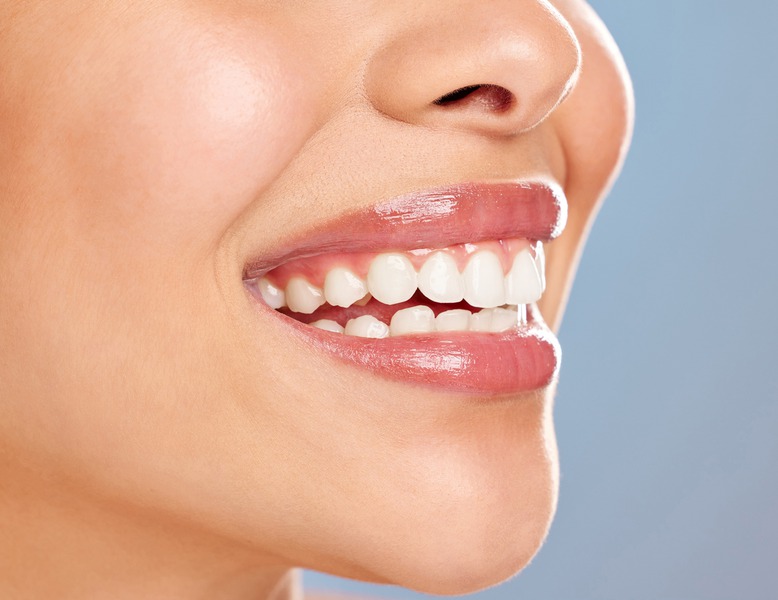
Worn teeth can also change how your smile looks. Edges that were once slightly uneven and natural can become flat and squared off, and thinner enamel can make teeth look more yellow because more of the darker layer underneath shows through.
Cracks and chipped corners
Repeated heavy loading can create tiny cracks in enamel. Many of these are surface lines that never cause trouble. Others grow deeper over time, and a tooth that has a large filling or has had a root canal can be more likely to split. A chipped corner on a front tooth or a sharp spot you feel with your tongue is often the first sign.
A cracked tooth can cause a quick, sharp pain when you bite down on something and then let go, or sensitivity to cold. Those symptoms are easy to brush off, which is why cracks sometimes go unchecked until they become harder to fix.
Sore jaw joints and tension headaches
The temporomandibular joints, which connect your lower jaw to your skull, take a lot of strain when you clench. Some lifters notice a dull ache in front of the ears, clicking or popping when they open wide, or stiffness first thing in the morning. Tight chewing muscles can also feed into headaches around the temples.
If you already deal with neck and shoulder tightness from training, clenching can make that whole area feel even more locked up. Easing jaw tension often helps the rest of the upper body relax as well.
Notches near the gumline
Some people develop small, wedge-shaped notches where the tooth meets the gum. Dentists have different views on how much clenching contributes to these compared with brushing too hard or acidic drinks, and it is often a mix of factors. Either way, these areas can be sensitive and are worth having looked at.
Signs Your Gym Habit Is Showing Up in Your Mouth
Because the changes are gradual, it helps to know what to watch for. Pay attention if you notice any of these on a regular basis:
- A tired or sore jaw after training sessions
- Headaches that tend to show up after heavy lifting days
- Teeth that feel sensitive to cold drinks or sweets
- Small chips, rough edges or sharp spots you can feel with your tongue
- Clicking, popping or tightness when you open your mouth wide
- Front teeth that look shorter or flatter in photos than they used to
- Ridges along the inside of your cheeks or scalloped edges on your tongue
One sign on its own does not mean something is wrong. A pattern of several, especially if they line up with your training days, is a good reason to change a few habits and mention it at your next dental checkup.
A simple test is to check in with your jaw halfway through a workout. Between sets, notice whether your teeth are touching. At rest, the teeth should sit slightly apart with the lips gently closed. If you find your molars pressed together while you are just standing around, the habit has probably spread beyond the heavy reps.
Simple Technique Changes That Take Pressure Off Your Teeth
You do not have to give up bracing or lift lighter to protect your teeth. Small adjustments to how you set up and breathe can keep the tension where you need it (your trunk, hips and grip) while sparing your jaw.
Rest your tongue on the roof of your mouth
Try pressing your tongue gently against the roof of your mouth, just behind the front teeth, as you brace. Many lifters find this gives them a sense of tightness through the neck while keeping the back teeth slightly apart. It takes some practice to make it automatic, so start with warm-up sets where you have the attention to spare.
A related cue is lips together, teeth apart. Keep your mouth closed so you can still hold your breath and brace, but leave a small gap between the upper and lower teeth.
Rethink your breathing on lighter sets
Holding your breath to brace makes sense for heavy compound lifts, and plenty of coaches teach it. For accessory work, higher-rep sets and machines, it is usually not needed. Exhaling steadily through slightly parted lips during the hard part of the rep makes it physically harder to clamp your teeth together.
If you have a heart condition, high blood pressure or another health concern, speak with your doctor about how you breathe and brace during lifting. The right approach can vary from person to person.
Save the hard brace for the heavy work
Plenty of people use the same full-body, teeth-gritting effort on bicep curls as they do on a near-max deadlift. Saving your maximum brace for the sets that truly need it cuts down on the number of hard clenches each session. Over a year of training, that difference adds up.
Loosen your face between reps
Between reps and sets, deliberately relax your jaw. Let it hang slightly open, take a breath through your nose and roll your shoulders. This reset only takes a second and stops tension from carrying over into the rest of your workout. Some lifters find a gentle cue such as soft face, strong body helps them remember.
Should You Wear a Mouthguard for Weightlifting?
Mouthguards are no longer only for contact sports. A growing number of lifters wear one in the gym specifically to cushion the bite on heavy sets. A guard puts a layer of material between the upper and lower teeth, so when you do clench, the force is spread out and the enamel is not grinding directly against enamel.
Some people also say a mouthguard helps them feel more stable or focused when they lift. Research on whether it improves strength or performance is mixed, so it is best to think of a guard as protection for your teeth first and treat any performance benefit as a bonus.
Store-bought and boil-and-bite guards
Over-the-counter guards are easy to find at sporting goods stores and are a reasonable place to start if you want to see how wearing one feels. Boil-and-bite versions soften in hot water so you can shape them to your teeth. They can feel bulky, and the fit may not be precise, which makes some people bite down on them even harder. Check them often and replace them once they become thin or misshapen.
Custom-fitted guards
A dentist can make a guard from impressions or a scan of your teeth. Custom guards usually fit more closely, feel less bulky and stay in place without you having to hold them with your bite. If you clench hard, grind at night as well, or have crowns and other dental work you want to protect, a custom option is worth discussing at your next visit.
Whichever type you choose, rinse the guard after each use, let it dry, and store it in a ventilated case. A gym bag is a warm, damp place, so a guard left loose in there can pick up bacteria quickly.
Gym Habits Outside the Lift That Affect Your Teeth
Clenching gets most of the attention, but a few other workout habits can make teeth more vulnerable to the pressure you put on them.
Sports drinks, energy drinks and many flavoured pre-workout mixes are acidic and often sweet. Sipping them slowly across a whole session keeps your teeth bathed in acid for a long time, which can soften enamel and make it easier to wear down when you clench. If you enjoy them, drink them with a meal or over a shorter window, and rinse with plain water afterward. Plain water is the friendliest choice for your teeth during the workout itself.
Hard training and mouth breathing can also leave you with a dry mouth. Saliva helps protect teeth by washing away food and neutralizing acid, so staying hydrated during and after training helps your teeth as much as it helps your muscles. Try to wait a little while after an acidic drink before brushing, since brushing softened enamel can add to wear.
Finally, look at the stress side of the picture. Many people who clench in the gym also clench at their desk, in traffic or during sleep. If training is one of the ways you manage stress, that is a great thing. Just know that the jaw often holds onto stress too, and the habits you build in the gym can carry into the rest of your day.
How Your Footing and Setup Play Into Jaw Tension
It might seem strange to talk about feet in an article about teeth, but a stable setup can make a real difference to how much you grip with your jaw. When your base feels shaky, your body looks for stability anywhere it can find it, and the jaw is an easy place to grab some.
Training shoes with a firm, stable sole help you feel planted for squats, deadlifts and overhead presses. Soft, cushioned running shoes can compress and shift under a heavy load, which makes it harder to feel solid through your feet. When you feel rooted to the floor, it becomes easier to brace through your legs and core and let your face relax.
The same goes for your setup at the bar. Taking a moment to set your feet, grip and position before each heavy rep gives your body the stability it is looking for in the right places. Lifters who rush their setup often make up for it by tensing everything at once, jaw included.
What a Dentist Can Do if Damage Has Already Happened
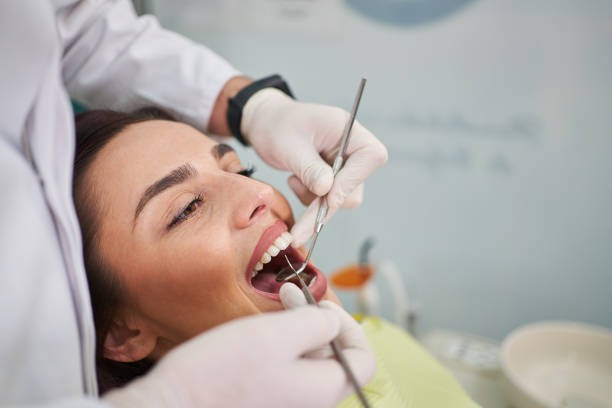
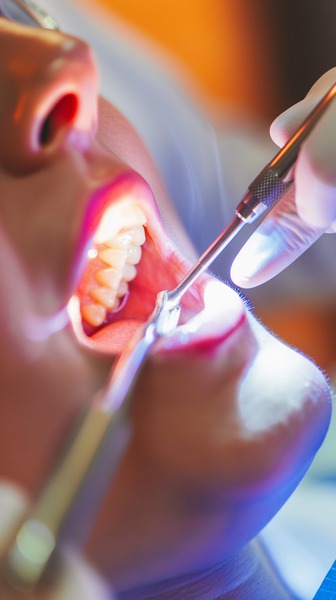
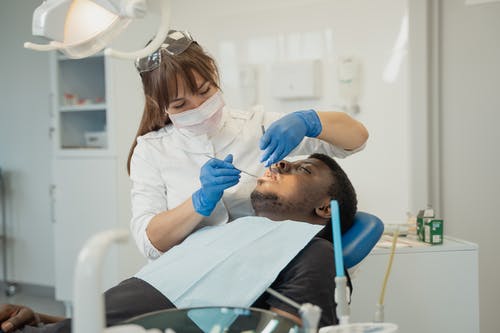
If you have been lifting for years and already notice chips, wear or sensitivity, the good news is that modern dentistry has plenty of ways to help. A regular checkup is the best starting point. Your dentist can look for wear patterns, check how your teeth come together, examine your jaw joints and spot small cracks before they turn into bigger problems.
When you book that visit, mention your training. Telling your dentist that you lift regularly and tend to clench gives them useful context for what they see. Readers in southwest Ohio, for example, can look for a dentist englewood ohio residents trust to take a close look at the bite as a whole; Golden Oak Dentistry, where Dr. Chu trained through the Kois Center, is one practice that pays attention to how the bite affects long-term oral health.
Worn or chipped front teeth can often be restored so they look natural again. Depending on the situation, that might involve bonding, porcelain veneers or a broader plan that addresses several teeth at once. A cosmetic dentist in the Dayton area or wherever you live can walk you through options that improve how your smile looks while still supporting a healthy bite, which matters a lot if you plan to keep clenching on heavy sets.
Sometimes a cracked tooth cannot be saved, especially if the crack runs deep below the gumline. In that case, a dental implant is one common way to replace it. An implant replaces the root as well as the visible tooth, and a custom crown is attached once the area has healed. For lifters in Ohio, researching dental implants near Dayton is a sensible step if a tooth has been lost to a fracture, and a custom guard afterward helps protect both the new tooth and the natural teeth around it.
Building a Training Routine Your Smile Can Keep Up With
Lifting is one of the best things you can do for your long-term health, and nobody should skip a heavy set because they are worried about their teeth. The goal is to keep training hard while making a few small changes that protect your teeth over the long run.
Start with awareness. Check in with your jaw between sets, try the tongue-on-the-roof cue during warm-ups, and save your hardest brace for the lifts that call for it. Choose water over acidic drinks during your session, set up with a stable base, and consider a mouthguard if you clench hard or already notice wear.
Then keep your regular dental checkups and let your dentist know about your training. Catching wear or a small crack early is far easier than repairing a broken tooth later. With a bit of attention, you can keep chasing new personal records and keep a healthy, comfortable smile for every one of them.













































































0