
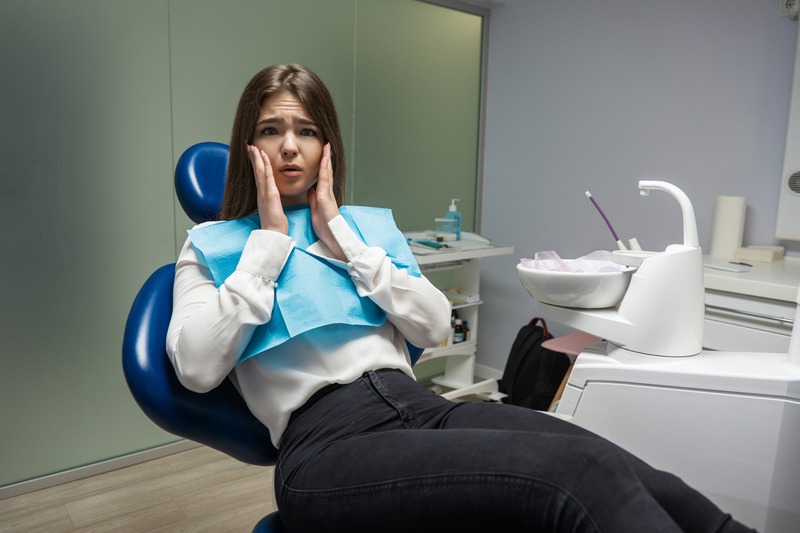
If your stomach tightens when you see a dental appointment on the calendar, you have plenty of company. Many adults put off checkups for months or years because the idea of sitting in that chair feels like too much. The good news is that dental fear responds well to preparation. Small, practical steps add up, and most people find the second or third visit far easier than the first.
This guide walks through what you can do before, during and after an appointment to take the edge off. You do not need to overhaul your personality or force yourself to “just relax.” You need a plan, a bit of information and a dental team that listens.
Why Dental Fear Feels So Strong
Dental care asks you to do something unusual. You lie back, open your mouth wide, and let someone work in a space you cannot see, often with unfamiliar sounds and sensations. Your body reads that as a loss of control, and fear is a natural response to losing control.
For many people, the fear began with a single unpleasant memory from childhood. For others it grows out of embarrassment about the state of their teeth, or from worry about pain, needles or cost. Some people simply dislike the sounds and smells of a dental office. Each of these has its own fix, which is why it helps to pin down your particular trigger before you try to solve the problem.
It also helps to know that avoiding the dentist tends to feed the fear. A small problem left alone can become a bigger one, and a bigger one means a more involved visit. Breaking that loop with a gentle, well-planned appointment is often the turning point.
Name the Exact Thing That Worries You
“I hate the dentist” is too broad to work with. Try writing a short list of what bothers you most. Common items include the needle for numbing, the vibration of the drill, the feeling of gagging, the bright light, the inability to speak, or the fear of hearing bad news.
Once the list is on paper, each item can be matched to a solution. Needle worries can be discussed with your dentist, who can explain how numbing is done and what you will feel. Gagging can be managed with technique and, in some cases, sedation. Noise can be softened with headphones. A fear of judgment can be answered by choosing a team with a warm, direct manner.
Bring that list to your appointment, or send it ahead. Handing it to the dental team gives them a map of what to go slowly on, and it shifts you from passive patient to active participant.
Tell the Team You Are Nervous Before You Sit Down
Dental professionals see anxious patients every day. Telling them how you feel is routine for them, and it changes how they run your visit. They can explain each step before they do it, offer more frequent breaks, and adjust their pace.
When you book, mention your anxiety to whoever answers the phone or fills in the online form. At check-in, say it again. Then, once you are in the chair, ask the dentist to describe what they plan to do first. Knowing what is coming removes much of the unease, because uncertainty feeds anxiety more than the procedure itself does.
If you have had a bad experience, share the short version. You do not need to relive it. A sentence such as “I had a painful extraction as a kid and I tense up at the sound of the drill” gives the team all they need to treat you with extra care.
Pick an Office That Feels Right for You
The right environment matters more than people expect. Before you commit, look at how a practice describes its approach to nervous patients. Read recent reviews for comments about gentleness and communication. Call the front desk and notice how patiently they answer your questions.
Practical details count as well. A location close to home or work cuts down the stress of travel, and flexible scheduling lets you choose a time of day when you feel your calmest. If you live in Nevada, you might look for a dependable dentist in Las Vegas, NV that publishes its services clearly, lists the insurance it accepts, and offers a way to book online. Being able to see those details before you ever walk in is reassuring in itself.
Ask whether the practice offers sedation options even if you do not plan to use them. Simply knowing a backup exists can lower your anxiety on the day.
Start With a Visit That Involves No Treatment
One of the most effective ways to rebuild comfort is to arrange a first appointment where nothing is done to you. A consultation lets you meet the dentist, tour the office, sit in the chair and ask questions. There are no instruments in your mouth and no pressure.
Think of it as a rehearsal. You learn what the room looks like, where the restroom is, how the staff talk to patients and how long the visit takes. Next time, those unknowns are no longer unknown.
If your teeth need attention, your dentist can outline a plan in stages, starting with the item that matters most. Breaking treatment into smaller visits gives you a series of manageable wins instead of one long ordeal.
Agree on a Stop Signal
Feeling trapped in the chair is a big part of dental fear. A simple hand signal gives you back some control. Raising your left hand, for example, can mean “please pause,” and a good dentist will stop immediately when they see it.
Agree on the signal before the visit begins and confirm that the team will respect it. Then use it, even if just to swallow, adjust your position or take a breath. Many patients find they rarely need the signal once they know it works. The assurance that you can stop things at any moment is often enough to keep you calm.
Use Breathing to Calm Your Body
Anxiety lives in the body as much as in the mind. Racing heart, shallow breathing and tight shoulders all feed one another. Slow breathing interrupts that cycle.
Try this simple pattern: breathe in through your nose for a count of four, hold briefly, then breathe out slowly through your mouth for a count of six. The longer exhale signals your nervous system to settle. Practice a few rounds in the car, in the waiting room and again once you are reclined.
Progressive muscle relaxation pairs well with breathing. Starting at your feet, tense each muscle group for a few seconds and then release it, working up through your legs, stomach, hands, arms and shoulders. By the time you reach your jaw, you may notice a real difference in how loose you feel. Practicing at home during the week before your visit makes the technique easier to use when it counts.
Give Your Mind Something Else to Do
Distraction is a legitimate tool, not a trick. Wearing headphones with a favorite playlist, podcast or audiobook can mask the sounds of dental equipment and give your attention somewhere to rest. Ask the office whether they have a screen or music available, or bring your own.
Some patients like to hold a small object, such as a smooth stone or a stress ball, to channel tension into their hands. Others focus on a spot on the ceiling and count slowly or mentally walk through a familiar route. Experiment during your first couple of visits and keep whatever works.
Choose content that holds your interest without needing much concentration. A comedy podcast or a well-loved album usually works better than something new and complicated.
Plan the Day Around Your Comfort
Small choices on the day of the appointment can lower your baseline stress. Book a time when you are not rushed, ideally with nothing demanding scheduled right afterward. Many nervous patients prefer morning slots so the appointment does not loom over their entire day, while others do better in the afternoon after a calm morning. Choose the one that suits you.
Eat a light meal beforehand unless your dentist tells you otherwise, since hunger can make you jittery. Go easy on caffeine, which can amplify nervous feelings. Arrive a few minutes early so you are not hurrying, and give yourself time to use the restroom and breathe before you are called in.
If your appointment involves sedation, follow the specific instructions your dental team gives you about eating, drinking and transportation.
Learn What Common Procedures Actually Involve
Fear loves a vacuum. When you do not know what a procedure involves, your imagination fills the gap with worst-case scenarios. Asking for a plain-language explanation can shrink those fears quickly.
A routine cleaning involves removing plaque and tartar and polishing the teeth, and many people find it uneventful. A filling generally involves numbing the area, removing the decayed part of the tooth and restoring it. An extraction involves numbing the area and carefully removing the tooth. Your dentist can describe what you will feel, which is usually pressure rather than sharp pain once the area is numb.
Ask how long each stage takes and what happens in what order. Some people want every detail, and others prefer a short overview. Tell your dentist which group you belong to and they will tailor the explanation.
Ask About Sedation Options
For some patients, coping techniques alone are not enough, and that is perfectly fine. Sedation dentistry exists for exactly this reason. It covers a range of choices, from a light, breathable option to deeper relaxation for longer visits.
Nitrous oxide, often called laughing gas, is breathed through a small mask over the nose. It helps you relax while you stay awake and able to respond. Oral sedation is a prescribed pill that promotes calm during treatment. IV sedation delivers medication through a vein for a deeper level of relaxation, and the dentist can adjust it throughout the visit. Patients under IV sedation are typically awake enough to respond to simple requests, often remember little of the appointment, and are monitored throughout.
If you are in the Las Vegas area and want to see how these choices are laid out, this East Las Vegas sedation dentist describes nitrous oxide, oral sedation and IV sedation on one page, including who tends to benefit and what to expect afterward. Reading something like that before you call can help you form your questions. Whichever practice you choose, ask them to review your health history and medications so they can recommend the safest option for you.
Think Ahead for Longer or More Involved Treatment
Bigger procedures can trigger bigger worries. Wisdom tooth removal, multiple restorations and tooth replacement all involve longer appointments, and the idea of lying in the chair for hours is enough to make some people cancel.
If you are facing something like this, raise the question of sedation early. Longer visits are one of the situations where deeper relaxation is often recommended, and having that conversation well in advance gives you time to arrange transportation and time off.
Tooth replacement is a good example. A missing tooth can affect chewing, speech and the way neighboring teeth shift, so many people eventually look into implants. Practices such as Smile Más Dental offer dental implants for East Las Vegas patients and note that IV sedation is available for people with dental anxiety who want the procedure to feel comfortable from start to finish. Whatever treatment you are considering, ask how the team approaches comfort at every stage, from the first consultation through healing.
Bring Someone You Trust
Having a friend or family member with you can make the whole experience feel safer. They can sit with you in the waiting room, help you remember what the dentist said, and drive you home afterward if you have had sedation.
Choose someone calm. A companion who is also nervous may add to your tension. Tell them in advance how they can help: perhaps by chatting about something unrelated, holding your bag, or simply being there when you walk out.
If the office allows it, ask whether your support person can stay nearby during treatment. Policies vary, so it is worth asking when you book.
Handle Past Trauma With Extra Care
For some people, dental fear is rooted in a genuinely painful or frightening experience. If that describes you, the steps above still apply, but you may want to go even more slowly. Let the dentist know that you want to move in small stages and that you may need to stop often.
It can also help to speak with a doctor or therapist who works with anxiety or phobias. Approaches such as gradual exposure, where you slowly get used to the dental setting in manageable steps, can help people who feel panic at the thought of an appointment. A therapist can work alongside your dental team so you are supported on both fronts.
Dental anxiety is a common and recognized issue, and asking for help with it is a sign of good judgment. Any provider worth seeing will treat your concerns seriously.
Reward Yourself and Build Momentum
After the appointment, take a moment to acknowledge what you did. Going to the dentist when you are afraid takes real effort. Treat yourself to something you enjoy, whether that is a favorite meal, a walk, a movie or an hour of quiet.
Then book your next visit before you leave the office. Regular, shorter appointments keep problems small and keep the dental setting familiar. Over time, the routine itself becomes the best remedy for fear. Each calm visit builds a new memory that sits beside the old one and slowly outweighs it.
Keep notes on what helped. Maybe the morning slot worked, or the playlist, or the hand signal. Reusing what worked makes the next visit easier to plan.
A Simple Plan for the Week Before Your Appointment
If you like checklists, here is an easy way to put all of this together.
Several days ahead, write down your top worries and decide which ones to share. Call or message the office to mention your anxiety and ask about sedation or comfort options. Practice your breathing and muscle relaxation for a few minutes each day.
The day before, pick your playlist or podcast, arrange a ride if needed, and lay out comfortable clothing. On the day itself, eat lightly, arrive early, and agree on your stop signal once you are seated. Afterward, reward yourself and schedule the follow-up.
None of this requires you to feel brave. It only requires you to take the next small step. Dental fear is real, but it is also manageable, and a thoughtful plan lets you walk into your next visit with a lot more confidence than you had when you booked it.




















































































0