
An office building works best when the people inside barely notice its systems. The lights come on, the air feels comfortable, water runs where it should, doors close securely, and common areas remain clean and safe. That kind of reliability is not accidental. It comes from a preventive maintenance schedule that turns a long list of building responsibilities into clear, repeatable work.
Preventive maintenance is different from reacting to a breakdown. Instead of waiting for a leaking pipe, failed air-conditioning unit, damaged floor, or peeling wall finish to cause disruption, the facilities team checks assets at sensible intervals and addresses small problems early. For building owners, property managers, and office administrators, a practical schedule also makes budgeting easier and helps protect the experience of tenants, visitors, and staff.
Start with the building’s real operating conditions
A useful maintenance schedule begins with an honest view of how the building is used. A quiet professional office with limited public access will not have the same needs as a busy multi-tenant property with a lobby, shared washrooms, loading areas, meeting rooms, food service, or extended working hours. Foot traffic, weather exposure, occupancy patterns, and the age of equipment all affect how quickly components wear.
Walk the property and note the areas that receive the most use or create the greatest risk if they fail. This often includes entrances, elevators, washrooms, mechanical rooms, electrical rooms, parking areas, roof access points, emergency exits, and HVAC equipment. Talk to reception staff, cleaners, security personnel, and regular occupants as well. They often see early warning signs, such as a door that sticks, an unusually warm room, or a recurring stain, before they reach a formal work-order system.
Also consider the building’s location and seasonal conditions. Freeze-thaw cycles, heavy rain, wind-driven debris, road salt, humidity, and prolonged hot or cold periods can all change maintenance priorities. A schedule should reflect local conditions rather than copying a generic checklist designed for a completely different type of property.
Create a complete asset register before assigning dates
It is difficult to maintain what has not been identified. Build an asset register that lists the equipment, surfaces, and building elements for which someone is responsible. The register can begin as a spreadsheet, although dedicated facilities software may be worthwhile for larger or multi-site operations. What matters is that the information is organized, accessible, and kept current.
For each asset, record its location, make and model where relevant, installation date if known, warranty details, service provider, manuals, and any required inspection or service frequency. Include assets that are easy to overlook, such as water heaters, sump pumps, exhaust fans, fire doors, access-control hardware, window seals, floor drains, and rooftop safety features. Attach photos to records when they help a future technician identify the item quickly.
Group the register into sensible categories: life-safety systems, HVAC, plumbing, electrical, building envelope, interiors, vertical transportation, grounds, and cleaning-related infrastructure. This makes it easier to assign ownership and spot gaps. If an asset is not in the register, it is much more likely to be missed until it fails.
Rank tasks by safety, operations, and cost of failure
Not every task deserves the same frequency or urgency. A failed fire alarm component, blocked emergency exit, major roof leak, or electrical hazard requires immediate attention because it can affect people and legal obligations. A scratched baseboard or faded corridor wall is usually less urgent, but it still matters to the building’s condition and can become more expensive to correct if ignored for too long.
Use a simple priority framework for every task. Consider the consequence of failure, the likelihood of failure, whether there is a regulatory or manufacturer requirement, how much downtime would affect occupants, and whether the issue could damage another part of the building. A small condensate drain blockage, for example, may be inexpensive to clear but can lead to water damage if it is allowed to persist.
This ranking helps prevent a common mistake: filling the calendar with easy cosmetic tasks while critical equipment receives inconsistent attention. It also gives managers a rational way to explain why certain repairs or inspections must be funded before less urgent improvements. The objective is not to make every item equally important. It is to make priorities visible and defensible.
Set daily and weekly routines that catch small problems
Daily checks should focus on visible conditions, comfort, cleanliness, and immediate hazards. Depending on the building, a facilities worker or cleaning team might inspect entrances for slip risks, confirm that exit paths are clear, look for restroom leaks, remove trip hazards, review temperatures in occupied areas, and check that common-area lighting is functioning. These checks do not need to be complicated, but they should be recorded.
Weekly routines can go a little deeper. Test door hardware in high-traffic areas, inspect janitorial supply areas for leaks or low stock, look over loading zones and waste areas, inspect visible pipes and ceilings for stains, and review any recurring service tickets. A pattern of similar complaints can point to a system problem rather than a series of isolated incidents.
Give each routine a clear owner and a short checklist. Vague instructions such as “check the building” are easy to complete superficially. Specific instructions, such as “inspect all public washrooms for leaks, loose fixtures, ventilation issues, and damaged caulking,” create a consistent standard and make handoffs between staff much easier.
Plan monthly checks around core building systems
Monthly tasks often focus on equipment that runs continually or supports everyday occupancy. HVAC filters may need inspection or replacement according to the equipment requirements and building conditions. Maintenance staff can check belts, unusual noise, drainage, accessible coils, and control settings while documenting any readings that help reveal declining performance. Mechanical work should always stay within the capabilities of trained personnel and the equipment manufacturer’s guidance.
Monthly building walkthroughs are also a good time to inspect electrical panels for visible concerns, confirm that mechanical and electrical rooms remain orderly, test selected lighting controls, examine plumbing fixtures for slow leaks, and check doors, closers, locks, and weather stripping. Do not use the calendar as a reason to skip a needed repair. A scheduled inspection should create work orders when it reveals a problem.
Common-area finishes deserve attention during these walkthroughs as well. Scuffed walls, damaged corner guards, loose ceiling tiles, cracked grout, and worn flooring affect both appearance and long-term durability. Scheduling touch-ups before damage spreads is generally less disruptive than waiting until an entire area needs refurbishment.
Use quarterly reviews to protect finishes and shared spaces
Quarterly inspections offer enough distance to identify trends that are hard to see week by week. Review complaint logs, utility patterns, repair history, and repeat callouts. If the same room regularly feels uncomfortable, the same door repeatedly needs adjustment, or a particular drain backs up, investigate the underlying cause. Repeating a temporary fix can cost more over time than a focused diagnosis.
This is also a useful cadence for reviewing painted surfaces in lobbies, corridors, stairwells, meeting rooms, break areas, and washrooms. Traffic marks, stains, moisture, and impact damage are more than visual annoyances. They may reveal cleaning issues, poor ventilation, leaks, or inadequate wall protection. When a broader refresh is needed, qualified commercial painting services can help a facilities team plan work around occupied areas, access constraints, and surface preparation needs.
Quarterly reviews should include shared spaces outside the office suites, such as parking areas, walkways, landscaping edges, signage, and waste enclosures. These locations shape the first impression of the property and are exposed to weather and heavy use. Catching cracked pavement, damaged signs, loose railings, or drainage problems early can reduce safety concerns and preserve curb appeal.
Build seasonal work into the calendar instead of reacting to weather
Seasonal planning is one of the clearest ways to make a preventive schedule more effective. Before wet or cold conditions arrive, inspect roofs, gutters, drains, seals, exterior doors, and areas where water has previously entered the building. Confirm that snow and ice procedures, drainage routes, mats, and slip-prevention supplies are ready when appropriate for the area. Check exterior lighting before shorter days make dark pathways more noticeable.
Warmer periods are often useful for inspecting cooling equipment, checking exterior surfaces, servicing landscape irrigation where applicable, and scheduling projects that require open windows, scaffolding, or exterior access. Plan early enough to account for contractor availability and weather delays. A task added after the season begins is more likely to become a rushed response.
Seasonal schedules should not be rigid to the point of being unhelpful. A major storm, unusually harsh temperature shift, or prolonged rainfall may justify extra inspections. Keep standard intervals on the calendar, then add event-based checks for conditions that could have changed the building’s risk profile.
Protect the roof and exterior envelope from slow water damage
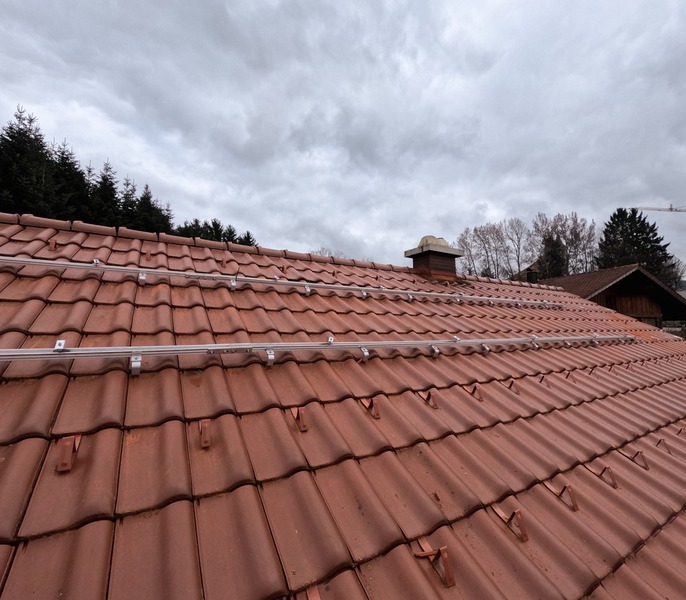
Water intrusion is one of the most disruptive building issues because the visible stain is often far from the original entry point. Include roof inspections, drain and gutter clearing, flashing checks, sealant reviews, and inspections of window frames and exterior penetrations in the maintenance plan. The proper interval depends on the roof system, surrounding trees, weather, access, and prior performance.
Document exterior conditions with photographs and precise locations. Note cracks, gaps, staining, corrosion, loose materials, failed sealants, and areas of ponding water. Comparing photos over time helps distinguish a stable cosmetic imperfection from a condition that is worsening. When inspection requires specialized access or technical knowledge, arrange it through a qualified professional rather than asking untrained staff to take risks.
Painted exterior elements need similar attention. Coatings can help protect surfaces, but they need a sound substrate and appropriate preparation to perform well. A planned review of caulking, moisture exposure, surface deterioration, and high-contact exterior elements helps determine when commercial exterior painting is a sensible maintenance project rather than an urgent attempt to cover an unresolved problem.
Keep indoor air, plumbing, and electrical systems on separate checklists
Bundling all technical systems into one vague “monthly service” item makes accountability difficult. HVAC, plumbing, and electrical systems have different warning signs, different safety requirements, and different maintenance needs. Create separate checklists, even if the same person coordinates their service. A technician should be able to see what was checked, what was found, and what follow-up was required without searching through unrelated notes.
For indoor air systems, track filter changes, maintenance visits, thermostat issues, condensate drainage, complaints about temperatures or odours, and any work recommended by service providers. For plumbing, track fixture performance, visible leaks, drain flow, water heater maintenance, shutoff valve access, and water pressure concerns. For electrical systems, maintain records for lighting, emergency lighting, accessible panels, backup power equipment where present, and safety-related inspections.
Some work is regulated, specialized, or potentially dangerous. A schedule does not turn staff into qualified tradespeople. Instead, it ensures that necessary inspections are arranged on time, records are retained, and small observable issues are reported promptly to the right provider.
Schedule interior upkeep around occupancy and wear patterns
Office interiors take more abuse than many maintenance plans acknowledge. Chairs strike walls, carts damage corners, adhesive residue builds up, furniture moves, and small leaks leave marks behind. Inspecting finishes regularly helps keep workspaces professional and gives teams a chance to correct causes, not just symptoms. For instance, repeated wall damage near a delivery route may call for better corner protection or a change in traffic flow.
Create a room-by-room rotation for checking walls, ceilings, floors, doors, trim, partitions, and shared furniture. Prioritize public-facing areas and spaces that cannot easily be taken out of service during business hours. Plan repairs during quiet periods whenever possible, and communicate clearly with occupants about access, odours, noise, and temporary room closures.
When an interior refresh is due, scope it carefully. Surface cleaning, patching, stain blocking, minor drywall repair, colour matching, and protecting adjacent furnishings all affect the outcome. Planning commercial interior painting as part of a wider upkeep cycle can reduce disruption and help avoid the patchwork appearance that develops when touch-ups are made without a consistent finish plan.
Turn inspections into work orders with clear ownership
An inspection only has value when its findings lead to action. Each identified issue should become a work order or documented decision. Include the date, location, asset, description, priority, assigned person or vendor, target completion date, and photographs where helpful. If work is deferred, record why and note the date it will be reconsidered.
Assigning a single accountable owner does not mean that person performs every repair. It means someone is responsible for following through, coordinating access, confirming completion, and closing the record. Without ownership, minor issues can remain in a queue for months because everyone assumes someone else is handling them.
Set a process for urgent findings as well. A leaking pipe near electrical equipment, an obstructed exit, a security issue, or a suspected life-safety problem should not wait for the next maintenance meeting. Staff should know exactly whom to contact, what information to provide, and how to protect occupants while help is arranged.
Track results and adjust the schedule every year
A preventive maintenance schedule should improve over time. At least once a year, review the completed work, overdue tasks, emergency repairs, recurring complaints, contractor recommendations, and capital projects on the horizon. Look for tasks that are happening too often without solving anything, as well as assets that repeatedly fail between scheduled visits.
Use the review to adjust frequencies, update asset records, retire equipment that has been replaced, and add new spaces or systems. If a task is consistently missed, simplify the checklist, change the assigned role, or schedule it at a more realistic time. A plan that looks comprehensive but cannot be completed is less useful than a shorter plan that is reliably carried out.
Finally, share the relevant parts of the schedule with the people who support it. Cleaning teams, tenants, reception staff, security, contractors, and management do not all need the same detail, but they should understand how to report issues and what work is planned. A maintenance program becomes dependable when it is part of everyday building operations, not a forgotten file opened only after something breaks.


















































































0