
Waking up with a dry, sticky mouth can feel like you spent the night chewing on cotton. For a lot of people, that morning “desert mouth” comes with other annoying surprises too: bad breath that doesn’t go away after brushing, a sore throat, chapped lips, or even tender gums. If this sounds familiar, there’s a good chance you’re breathing through your mouth while you sleep.
Mouth breathing at night is more than a quirky habit—it can change the environment in your mouth for hours at a time. And because your mouth is basically a tiny ecosystem (saliva, bacteria, enamel, gum tissue, and more), those changes can ripple into your teeth, gums, and overall comfort. The good news is that once you understand what’s happening, you can take practical steps to protect your smile and feel better in the morning.
Let’s break down why mouth breathing happens, what it does to teeth and gums, why dry mouth is such a big deal, and what you can do about it—without making it complicated or scary.
What “mouth breathing at night” really means (and why it’s so common)
When you’re asleep, your body naturally relaxes. That includes your jaw, tongue, and the muscles that help keep your airway open. Ideally, you’d breathe through your nose, which warms, filters, and humidifies air before it hits your throat and lungs. But if your nasal airway is blocked or your breathing patterns have shifted over time, your body may take the shortcut: mouth breathing.
This can happen occasionally—like when you have a cold—or it can become your default. Many people don’t realize they do it because, well, they’re asleep. Often the clues are indirect: waking up thirsty, needing water on the nightstand every night, or noticing your mouth feels “off” first thing in the morning.
It’s also common in kids and teens, especially with allergies or enlarged tonsils/adenoids. In adults, it can show up alongside snoring, sleep-disordered breathing, or chronic congestion. No matter your age, the mouth isn’t designed to be the main airway for eight hours straight.
Why saliva matters more than most people think
Saliva doesn’t get enough credit. It’s not just “spit”—it’s your mouth’s built-in defense system. Saliva helps wash away food particles, balances acids, provides minerals that can help remineralize enamel, and supports healthy gum tissue. It also helps control the bacteria that contribute to cavities and gum disease.
When you breathe through your mouth at night, airflow dries out saliva and reduces its protective effect. Think of it like leaving a wet sponge in front of a fan: it dries out faster than it can “recharge.” Even if your saliva production is normal, mouth breathing can create a dry environment that changes how bacteria behave.
That’s why people who mouth-breathe often notice more plaque buildup, more morning breath, and more sensitivity. It’s not that you’re doing something wrong—it’s that the mouth’s natural protective layer is getting disrupted for hours.
Dry mouth: the not-so-small problem behind many dental issues
How dryness shifts the balance in your mouth
Dry mouth (xerostomia) isn’t just uncomfortable. When your mouth is dry, acids produced by bacteria can hang around longer. Normally, saliva helps neutralize those acids and rinse them away. Without that buffering action, enamel is exposed to a more acidic environment—especially along the gumline and between teeth where plaque tends to sit.
Over time, that can increase your risk for cavities and enamel erosion. And because nighttime is already a low-saliva period for many people, mouth breathing can make it even worse. You may feel fine during the day, but your teeth are spending the night in a less protected state.
Dryness also affects soft tissues. Your cheeks, tongue, and gums can become irritated more easily, and small areas of inflammation can stick around longer because the mouth isn’t staying naturally lubricated.
Why morning breath is often a symptom, not the main issue
Bad breath in the morning is normal to a point. But mouth breathing can crank it up because bacteria thrive when saliva is reduced. Some bacteria produce sulfur compounds that smell unpleasant, and a dry mouth gives them a better chance to multiply.
If you find that brushing and flossing help only a little, it may be because the real driver is dryness and airflow. That’s why strategies like hydration, nasal breathing support, and managing congestion can sometimes improve breath more than another mouthwash ever will.
It’s also worth noting that mouth breathing can dry out the throat, which can cause that “stale” morning taste that feels like it’s coming from deep in the mouth.
What mouth breathing can do to teeth over time
Higher cavity risk in specific spots
Mouth breathing doesn’t automatically mean you’ll get cavities, but it can raise the odds—especially if other factors are present (frequent snacking, sugary drinks, inconsistent flossing, or existing dry mouth from medications). The areas most at risk tend to be where plaque collects and saliva has a harder time doing its job: along the gumline, between teeth, and around existing dental work.
Some people notice they get cavities despite “doing everything right.” If mouth breathing is part of the picture, it might explain why your mouth feels like it’s working against you at night. The goal isn’t to blame the habit—it’s to reduce the damage it can cause.
If you’ve had dental restorations before, dryness can also affect how comfortable your mouth feels around them. A dry environment can make teeth feel more sensitive, and it can make plaque stickier and harder to brush away.
Enamel wear, sensitivity, and the role of acid
Enamel is strong, but it’s not invincible. When the mouth stays dry, acids can sit on tooth surfaces longer. That can contribute to enamel softening and erosion over time, especially if you also deal with acid reflux, frequent citrus drinks, or acidic sports beverages.
Tooth sensitivity can be one of the first signs that your enamel is under stress. People often describe it as a “zing” with cold water or sweet foods. Mouth breathing doesn’t directly cause sensitivity, but it can create conditions where sensitivity becomes more likely.
One helpful mindset: think of saliva as your enamel’s “support crew.” If the support crew is missing for hours every night, enamel has a tougher job.
Cosmetic changes you might notice in the mirror
Dry mouth can make teeth look duller or more stained over time, partly because plaque and debris aren’t being cleared as efficiently. If you’re someone who cares about a bright smile, it can be frustrating to feel like your teeth never look as clean as you want them to.
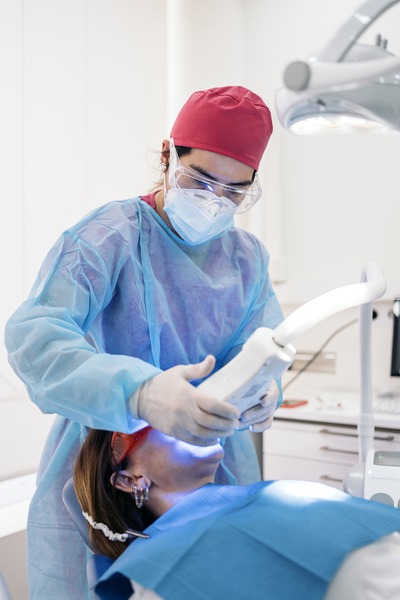
Some people explore professional whitening to refresh their smile, and if that’s on your radar, it’s worth knowing that dryness can affect comfort during whitening. If you’re considering teeth whitening beaumont tx, it can help to talk with a dental professional about sensitivity prevention and ways to reduce nighttime dryness so whitening feels easier and results are easier to maintain.
Also, if mouth breathing has contributed to uneven wear or changes in tooth edges, you might notice teeth look shorter or more jagged over time—something that can be addressed with a personalized dental plan.
How mouth breathing affects gums and the tissues around your teeth
Dry gums are more vulnerable gums
Your gums prefer a moist environment. When they dry out night after night, they can become irritated and inflamed more easily. You might notice tenderness when brushing, slight bleeding, or that your gums look a bit redder than usual—especially near the front teeth where airflow is strongest.
Inflammation is your body’s way of signaling that something is off. In a dry mouth, plaque can be more stubborn, and bacteria can irritate the gumline more effectively. Over time, that can raise the risk of gingivitis and, if not addressed, periodontal issues.
The front gums (upper and lower) often take the biggest hit because they’re exposed to the airflow directly when your lips are open at night.
Why plaque becomes “stickier” when you sleep with your mouth open
Plaque is a biofilm—it’s not just loose crumbs you can rinse away. Saliva helps disrupt that biofilm. When the mouth dries out, plaque can adhere more strongly, and it can mature faster. That’s one reason some mouth breathers feel like their teeth get “fuzzy” quickly.
Morning brushing becomes extra important, but technique matters too. Gentle brushing along the gumline and daily flossing (or interdental brushes) can make a big difference because you’re physically disrupting plaque that saliva didn’t manage overnight.
If you’re seeing plaque buildup despite good home care, a dental cleaning schedule that fits your risk level can help keep gum inflammation from becoming a bigger issue.
How mouth breathing can influence bite, jaw comfort, and tooth alignment
This part surprises a lot of people. Chronic mouth breathing—especially starting in childhood—can influence facial growth patterns, tongue posture, and how the jaws develop. In adults, the “growth” piece is less dramatic, but posture and muscle patterns still matter.
When your mouth is open at night, your tongue may sit lower instead of resting gently against the palate. Over time, that can contribute to changes in how your teeth contact each other, how your jaw muscles feel in the morning, and whether you clench or grind.
If you wake up with jaw soreness, headaches, or tooth wear, mouth breathing may be part of a larger sleep and airway picture. It doesn’t mean you need a complicated solution, but it does mean it’s worth looking at the whole system: nasal breathing, sleep quality, and bite stability.
Snoring, sleep quality, and why your mouth may “choose” the open-air route
Nasal congestion: the most common reason
Allergies, chronic sinus issues, deviated septum, and even seasonal dryness can make nasal breathing harder. If your nose is blocked, your body will do what it must to get air in. Mouth breathing becomes a survival strategy, not a preference.
That’s why treating the nose can sometimes fix the mouth. Managing allergies, using saline rinses, and addressing chronic congestion with a medical professional can reduce how often you default to mouth breathing.
If your mouth breathing is new or suddenly worse, it’s a good idea to consider what changed—new meds, new environment, new allergies, or recent weight changes can all play a role.
Sleep-disordered breathing and airway shape
Sometimes mouth breathing is connected to snoring or obstructive sleep apnea (OSA). Not everyone who mouth-breathes has OSA, but if you snore loudly, wake up gasping, feel exhausted despite a full night’s sleep, or have a partner who notices breathing pauses, it’s worth getting evaluated.
From a dental perspective, sleep-disordered breathing can also show up as grinding, cracked teeth, or jaw tension. Your body may be working harder to keep the airway open, and that effort can spill into the muscles of the face and jaw.
If you suspect this is you, a conversation with a physician and a dentist who understands airway and sleep can be a game-changer for both health and dental stability.
Quick self-check: signs you might be mouth breathing at night
You don’t need fancy equipment to get clues. If you consistently notice a handful of the signs below, mouth breathing is a strong possibility.
Common signs include waking up with dry mouth, sore throat, or hoarseness; drooling on the pillow; chapped lips; frequent morning bad breath; a coated tongue; more cavities than expected; gum irritation near the front teeth; and waking up thirsty or needing water at night.
Some people also notice they sleep with their mouth open in photos or that their partner mentions it. If you wear a fitness tracker, you might see signs of restless sleep too—mouth breathing can be associated with fragmented sleep, especially when nasal breathing is difficult.
Everyday habits that make mouth breathing worse (and small tweaks that help)
Bedroom air, dehydration, and evening routines
Dry air can push you toward mouth breathing and make dryness feel more intense. If you run heating or AC heavily, a humidifier can help keep tissues from drying out overnight. It’s not a cure-all, but it can reduce the “sandpaper mouth” feeling in the morning.
Hydration matters too, but timing matters. If you’re dehydrated all day and then chug water at night, you may just wake up to use the bathroom. Aim to hydrate steadily earlier in the day, and keep a small glass of water nearby for sips if needed.
Alcohol close to bedtime can also worsen mouth breathing because it relaxes airway muscles and can increase snoring. If you notice dryness is worse after drinking, that’s not your imagination.
Screen time, posture, and the “open mouth” pattern
This one feels random, but it’s real: how you hold your head and jaw during the day can influence nighttime patterns. If you spend hours looking down at a phone or laptop, you may develop forward-head posture and a slightly open-mouth resting position.
Try a simple reset a few times a day: lips together, teeth slightly apart, tongue resting gently on the palate. This is sometimes called proper oral posture. It’s not about forcing anything—it’s about giving your body a neutral default.
If you catch yourself mouth breathing during the day, that’s useful information. Daytime mouth breathing often carries into sleep, especially during stress or allergy seasons.
Protecting your teeth if you can’t stop mouth breathing right away
Nighttime dry-mouth strategies that actually feel doable
If mouth breathing is happening because your nose is blocked, it may take time to address the root cause. In the meantime, focus on reducing damage. A few practical options: use a bedside humidifier, consider saliva substitutes or dry-mouth gels before bed, and avoid alcohol-based mouthwashes at night (they can be drying).
Some people benefit from xylitol lozenges or sprays designed for dry mouth, but be mindful of choking risk—anything you use overnight should be safe for sleep. Many products are meant for use right before bed, not while you’re asleep.
Also, don’t underestimate the value of a gentle rinse with water after brushing and flossing. If your mouth is already dry, leaving strong flavors or foaming agents sitting on tissues can feel irritating for some people.
Toothpaste and rinses: what to look for
Fluoride is your friend when dry mouth is in the picture. A fluoride toothpaste (and in some cases a higher-fluoride prescription option) can help strengthen enamel against the higher acid risk that comes with dryness.
If you’re prone to irritation, consider a toothpaste without sodium lauryl sulfate (SLS). It’s not “bad,” but it can be drying or irritating for some mouths—especially when tissues are already stressed.
If you use mouthwash, pick an alcohol-free one. The goal is to support your mouth’s moisture and balance, not strip it further.
Cosmetic and restorative dentistry considerations when dry mouth is part of your life
Dry mouth can affect how dental work feels and how long it lasts, mostly because saliva helps keep tissues comfortable and helps reduce plaque buildup around restorations. If you’re considering cosmetic updates—like improving the shape, color, or symmetry of your teeth—it’s smart to talk about dryness upfront so your care plan accounts for it.
For example, if you’re exploring smile enhancements like veneers beaumont tx, you’ll want to make sure your gum health is stable and that your home-care routine supports the margins of the veneers. Veneers can look amazing, but the foundation (gums + enamel + bite) still matters, and mouth breathing can challenge that foundation if it’s not managed.
Dry mouth can also make you feel like your bite is “off” in the morning or that your mouth is more sensitive. Sharing these symptoms helps your dental team tailor recommendations—sometimes it’s as simple as adjusting products, adding fluoride support, or addressing nighttime clenching that’s happening alongside mouth breathing.
When missing teeth are involved: mouth breathing and comfort with appliances
If you wear dentures or partials, dryness can be especially uncomfortable. Saliva helps create suction and stability for full dentures, and it reduces friction that can irritate tissues. When the mouth is dry, dentures may feel looser, rub more, or create sore spots faster.
That doesn’t mean you’re stuck with discomfort. It does mean you may need a plan that includes moisture support, fit checks, and possibly product changes that reduce irritation. If you’re researching options like dentures beaumont tx, it’s worth discussing dry mouth and nighttime breathing habits so you can get solutions that feel secure and comfortable in real life, not just in theory.
Also, if you remove dentures at night (as many people do), mouth breathing can still dry out tissues and contribute to morning soreness. A humidifier and dry-mouth gel before bed can help make mornings noticeably easier.
How to encourage nasal breathing without making sleep miserable
Nasal support: simple tools and when to get medical help
If congestion is the main driver, start with gentle, low-risk options: saline spray or rinse, a warm shower before bed, and keeping allergens down in the bedroom (washing bedding regularly, using HEPA filtration if needed).
Nasal strips can help some people by mechanically widening the nasal valve area. They’re not glamorous, but they can be surprisingly effective for mild obstruction. If they help, that’s a clue your issue may be structural or related to nasal airflow limitation.
If you rely on decongestant sprays frequently, be careful—some can cause rebound congestion when used too long. For chronic nasal blockage, it’s worth seeing an ENT or your primary care provider to identify what’s going on.
Mouth taping: not for everyone, but worth addressing safely
You’ve probably seen mouth taping on social media. It can reduce mouth breathing for some people, but it’s not a universal recommendation. If you have nasal obstruction, asthma that isn’t well controlled, panic issues, or any suspicion of sleep apnea, it may be unsafe.
If you’re curious, the safest approach is to first make sure your nose is reliably clear at night and to discuss it with a healthcare professional—especially if snoring or daytime sleepiness is part of your story. There are also gentler “training” options like chin straps, though comfort varies widely.
Most importantly: you shouldn’t feel like you’re fighting for air. Any strategy that makes breathing feel restricted is a no-go.
What your dentist can spot that you might miss
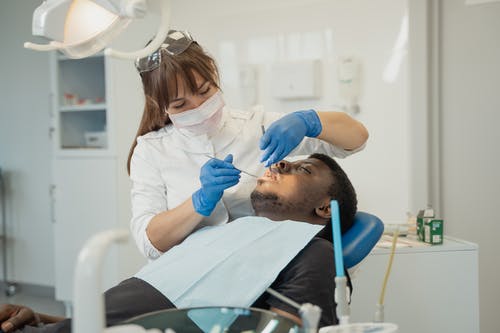
Dentists see the fingerprints of mouth breathing all the time. That can include inflamed gum tissue near the front teeth, increased plaque accumulation, patterns of enamel wear, and changes in the tongue or soft tissues. They may also notice signs of grinding or clenching that can travel with airway issues.
Because these signs show up gradually, you might not notice them day to day. A dental exam can connect the dots between your symptoms (dry mouth, sensitivity, morning breath) and what’s happening on your teeth and gums.
If you bring it up directly—“I think I’m mouth breathing at night and waking up dry”—you’ll usually get more targeted guidance, including product recommendations, fluoride strategies, and referrals if sleep or airway concerns are suspected.
A practical bedtime plan for people who wake up dry
If you want a simple routine to try for two weeks, here’s a realistic one that doesn’t require turning your life upside down. First, brush with fluoride toothpaste and clean between your teeth (floss or interdental brushes). This reduces the bacterial load that will otherwise sit in a dry environment all night.
Second, support moisture: run a humidifier if your room is dry, apply a dry-mouth gel or use a saliva-support product right before bed, and keep water nearby for small sips. If you wake up often, note whether it’s thirst, congestion, or snoring—those details matter.
Third, make nasal breathing easier: saline rinse, allergy management if needed, and consider nasal strips as a low-risk experiment. If nothing helps and you’re tired all day, that’s a strong sign to talk with a medical professional about airway and sleep quality.
When it’s time to take it beyond home fixes
If mouth breathing is occasional and tied to a cold, you’ll probably bounce back quickly. But if it’s happening most nights, or you’re seeing repeated cavities, gum irritation, or persistent bad breath, it’s worth treating it as a real health issue—not just an annoyance.
Also, if you have symptoms like loud snoring, waking up gasping, morning headaches, high blood pressure, or constant daytime fatigue, don’t just assume it’s stress. Sleep-disordered breathing is common and treatable, and addressing it can protect your teeth (less grinding, less dryness) and improve your overall health.
Think of this as a team effort: your dentist can help protect your teeth and gums from the effects of dryness, and your physician or ENT can help address why mouth breathing is happening in the first place.
Mouth breathing at night can be stubborn, but it’s not hopeless. With the right mix of airway support, moisture strategies, and dental protection, you can wake up feeling better—and keep your teeth and gums healthier for the long run.
















































































0