
Moving heavy items is one of those things that looks straightforward until you’re actually staring at a 700-pound safe, a piano with delicate legs, or a fridge that somehow feels heavier every time you tilt it. The truth is, “heavy” isn’t just about weight—it’s about awkward shapes, fragile components, tight hallways, stairs, slippery floors, and the very real risk of injury.
If you’re searching for practical, real-world advice on how to move heavy items safely, you’re in the right place. This guide walks through the planning, tools, body mechanics, and step-by-step tactics for safes, pianos, and appliances—plus what to do when the safest move is to bring in professionals. Along the way, you’ll also learn how to protect your home, your belongings, and your back.
And yes, we’ll talk about the big question people don’t always ask out loud: “Is this a DIY job, or am I about to create a very expensive problem?”
Safety starts before you lift a single inch
Most heavy-item accidents happen before the item even moves. People underestimate the weight, overestimate their grip, or skip measuring doorways and end up twisting in a tight space. The safest heavy move is the one you plan like a mini-project, not a spur-of-the-moment “let’s just try it” situation.
Start by identifying what makes the item risky: is it top-heavy, fragile, has moving parts, or is it hard to grip? A safe is dense and unforgiving; a piano is both heavy and delicate; an appliance may have glass, hoses, and a high center of gravity. Each needs its own approach, but all of them benefit from the same foundation: measuring, mapping, and prepping.
Measure the item, the route, and the “pinch points”
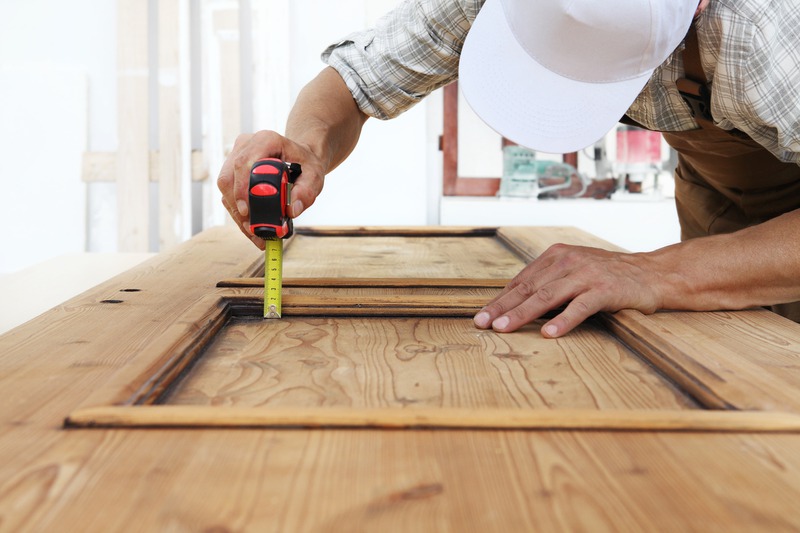
Get the dimensions of the item (height, width, depth) and compare them to every doorway, stairwell, turn, and elevator opening on the route. Don’t forget baseboards, handrails, and light fixtures. A move can go from smooth to stuck instantly if you discover the item won’t clear a corner after you’ve already lifted it.
Pay special attention to pinch points: narrow hallways, tight landings, door frames, and the transition from carpet to hardwood. These are the spots where people tend to twist and strain, or where the item can scrape walls and floors.
If the route is complicated, take photos and sketch a simple plan. Decide where you’ll pause to rest and where you can safely set the item down without blocking exits.
Know your limits (and the limits of your help)
“How heavy is it?” is a good question, but “How heavy is it to handle?” is better. A 300-pound object with good handholds can be easier than a 200-pound object that’s bulky and slippery. Also consider your team: do you have enough people, and are they experienced with coordinated lifting?
One common mistake is recruiting more people than the space allows. If four people can’t fit safely around the item on a staircase, adding a fifth person doesn’t help—it increases chaos. It’s often safer to use equipment (dollies, straps, ramps) and fewer people who can communicate clearly.
If anyone has a prior back, knee, or shoulder issue, treat that as a hard stop. Heavy-item injuries are not the kind you “walk off.”
Tools that make heavy moves safer (and less miserable)
Heavy items are rarely moved safely with raw strength alone. The right equipment turns a risky lift into a controlled roll, slide, or lower. If you’re doing this yourself, invest in or rent proper moving tools. They’re cheaper than repairing a gouged floor—or a pulled muscle.
Think in terms of leverage and friction: reduce the time an item is suspended in the air, and reduce the force needed to start and stop movement.
Must-have gear for safes, pianos, and appliances
A solid appliance dolly (with straps) is a workhorse for refrigerators, washers, and dryers. For safes, you may need a heavy-duty dolly rated for the weight, sometimes with stair-climbing features. For pianos, specialized piano dollies and boards are strongly recommended.
Moving straps (forearm straps or shoulder harnesses) can help distribute weight, but they require practice and coordination. Furniture sliders are great for moving heavy items across hard floors without lifting, and plywood sheets can create a temporary “road” over delicate flooring or soft ground.
Don’t overlook basics: thick moving blankets, stretch wrap, painter’s tape, corner protectors, and work gloves with grip. These reduce slips and protect both the item and your home.
Protecting floors, walls, and door frames
Heavy moves often damage homes more than the items themselves. Lay down floor protection—ram board, thick cardboard, or plywood—especially on hardwood and tile. For carpet, be careful with dollies that can snag and jerk.
Use moving blankets on walls near tight turns and wrap door frames if you’re close on clearance. Remove doors from hinges when needed; that extra inch can be the difference between a clean pass and a scraped frame.
If you’re moving through a building, check rules about elevator pads, reserved elevator time, and hallway protection. A little coordination avoids big headaches.
Body mechanics: how to lift without wrecking yourself
Even with great tools, you’ll still need to lift, tilt, or stabilize heavy items. Safe body mechanics are not just “lift with your legs.” It’s about keeping the load close, avoiding twisting, and moving slowly enough that you can react.
When people get hurt, it’s usually from sudden shifts: the dolly catches, the item tips, someone loses grip, or a helper steps awkwardly. Your goal is to keep every movement predictable.
Stance, grip, and communication basics
Stand with feet shoulder-width apart, one foot slightly ahead for balance. Keep your spine neutral and brace your core. If you’re lifting with a partner, match your height and hand placement as much as possible so the load stays level.
Use a firm grip and avoid holding with fingertips. If the item has no good handholds, don’t “make do”—use straps or wrap it to create safer grip points.
Communication is huge. Decide on simple commands like “lift,” “down,” “stop,” and “tilt.” One person should call the moves so everyone acts together. If anything feels off, stop immediately and reset.
Why twisting is the silent injury-maker
Twisting while carrying weight is a common way people strain their backs. If you need to change direction, move your feet—don’t rotate your torso while holding a heavy load. This matters even more on stairs or when stepping over thresholds.
Plan your turns. If you’re approaching a corner, set the item down if needed, reposition, then continue. It may feel slower, but it’s much safer than trying to “muscle” a turn in one go.
Also watch out for uneven surfaces. A tiny lip between rooms can cause a dolly to snag, forcing a sudden twist or jerk. Use a threshold ramp or a thin plywood sheet to smooth transitions.
Moving a safe safely: dense, top-heavy, and unforgiving
Safes are a special category of heavy because they’re compact and extremely dense. That density makes them hard to control once they start moving. They can also be top-heavy depending on design, and a tipping safe can cause severe injury and major property damage.
Before you do anything, confirm the safe’s weight and whether it’s bolted to the floor. Many safes are anchored—trying to move one without unbolting it can damage flooring and create dangerous leverage.
Prep steps: emptying, locking, and protecting
Remove contents (documents, valuables, shelves) to reduce weight and prevent internal damage. Lock the safe door and, if possible, secure it with a strap or tape so it can’t swing open mid-move. An open door changes the center of gravity and can make the safe tip.
Wrap the safe in moving blankets and stretch wrap to protect finishes and improve grip. If the safe has sharp corners, add corner guards to prevent gouging walls and door frames.
Check the route for floor strength concerns, especially in older homes or upper floors. A very heavy safe can stress flooring in ways regular furniture won’t.
Equipment and technique: control the tilt, control the risk
Use a heavy-duty dolly rated well above the safe’s weight. Tilt the safe only as much as necessary to get the dolly plate underneath. Keep hands clear of pinch points near the base—this is where fingers get crushed.
Strap the safe tightly to the dolly at multiple points. The goal is to make the safe and dolly behave as one unit. Move slowly, especially when crossing thresholds or changing floor types.
On stairs: this is where DIY attempts often go wrong. If you must navigate stairs, use a stair-rated dolly and have strong spotters positioned for control—not just lifting. In many cases, the safest choice is to hire pros with the right equipment and experience for stair moves.
Moving a piano safely: heavy weight, delicate structure
Pianos are deceptively complex. Even smaller uprights can be several hundred pounds, and grand pianos involve awkward shapes, delicate legs, and sensitive internal components. The risk isn’t just dropping it—pianos can be damaged by poor lifting points, twisting, or even being laid down incorrectly.
If your piano has real value (financial or sentimental), it’s worth treating the move as a specialized job. Many people are surprised by how easy it is to crack a leg, damage pedals, or throw off alignment with one bad lift.
Upright pianos: balancing weight and protecting the cabinet
For uprights, the weight is concentrated and the cabinet can be scratched or dented easily. Close and secure the keyboard lid, wrap the piano in blankets, and use stretch wrap to keep padding in place. Avoid taping directly to finished wood.
A piano dolly (or a sturdy furniture dolly designed for high loads) helps keep the piano stable. Tilt gently, slide the dolly under, and strap the piano so it can’t shift. Keep the piano upright during the move unless a professional specifically advises otherwise.
When moving through tight spaces, go slowly and keep the piano close to the wall on one side to reduce the chance of swinging into corners.
Grand pianos: disassembly and piano boards
Grand pianos usually require partial disassembly: removing the music rack, lid, lyre (pedal assembly), and legs. Each part should be wrapped and labeled. The body is then placed on a padded piano board and strapped down securely.
This isn’t just about making it lighter—it’s about protecting the legs and distributing weight safely. The body of a grand piano is awkward and can shift unexpectedly if not strapped properly.
If you’re not experienced with this process, it’s a strong sign to bring in specialists. A single mistake can create expensive repairs that outweigh the cost of professional moving.
Moving appliances safely: fridges, washers, dryers, and ranges
Appliances combine weight with tricky details like water lines, gas connections, glass panels, and compressors. They’re also tall and can tip if not strapped properly. The good news: with the right prep and dolly technique, many appliance moves are manageable.
The key is to disconnect correctly, protect delicate parts, and keep the appliance stable during transport.
Refrigerators: the compressor, doors, and “upright time”
Empty the fridge, remove or secure shelves and drawers, and unplug it in advance. Defrost if needed to avoid water leaks. Tape doors shut (painter’s tape is gentler) or use a strap so they don’t swing open.
When using an appliance dolly, tilt the fridge carefully and strap it tight at the upper and mid sections. Move slowly over thresholds and avoid sudden jolts. If you must lay a refrigerator down, check the manufacturer’s guidance—many recommend keeping it upright to protect the compressor and coolant lines.
After transport, it’s often recommended to let the fridge sit upright for a period before plugging it in, especially if it was tilted significantly. This allows fluids to settle back where they belong.
Washers and dryers: hoses, drums, and hidden weight
For washers, shut off water, disconnect hoses, and drain any remaining water. Front-load washers can be especially heavy because of concrete counterweights. Some models require shipping bolts to stabilize the drum—check your manual.
Dryers are lighter but can still be awkward. Disconnect the vent hose and secure it. If it’s a gas dryer, you’ll need to shut off gas and disconnect safely—if you’re not experienced, use a qualified technician.
Use an appliance dolly and straps for both. Keep the center of gravity under control and don’t rush on stairs.
Ranges and ovens: gas lines and fragile surfaces
Electric ranges are mostly straightforward: unplug, protect the glass top, and secure the door. Gas ranges require extra caution. If you smell gas at any point, stop and address it immediately.
Wrap the range to protect knobs and surfaces. Remove grates and pack them separately to prevent rattling and scratches. Secure the oven door so it can’t swing open.
When rolling over uneven surfaces, keep the range strapped to the dolly—glass tops and control panels don’t handle impacts well.
Stairs, tight turns, and elevators: where moves get real
Flat ground is one thing; stairs and tight turns are where heavy moves become truly dangerous. Gravity is not your friend on stairs, and even a small slip can turn into a runaway object. Tight turns create awkward angles that lead to twisting and pinched fingers.
If your route includes stairs, landings, or narrow hallways, it’s worth slowing down and treating each segment as its own mini-step with a reset point.
Stair strategy: spotters, pacing, and controlled lowering
For stair moves, decide whether you’re going up or down and assign roles. Typically, the stronger lifters handle the lower position when going up (because they bear more load), and the upper position when going down (because they control the descent). But every staircase and item is different—choose what gives you the most control.
Move one step at a time. Pause on landings. Keep the item tilted only as needed, and never rush because you feel “almost done.” That’s when mistakes happen.
If the staircase is narrow, consider removing handrails temporarily (if feasible) or using alternative routes. Sometimes the safest stair strategy is to avoid stairs altogether.
Elevators and multi-unit buildings: coordination and protection
If you’re moving heavy items in a building, reserve the elevator if possible and use elevator pads. Protect corners and door edges—elevator doors are easy to dent, and building management may charge for damage.
Measure the elevator interior, not just the door. Some items fit through the door but won’t rotate inside the cab. Plan how you’ll enter and exit without pinching hands or scraping walls.
Have one person act as a “door manager” to keep doors from closing unexpectedly and to watch for pedestrians in hallways.
When it’s smarter to hire professionals (and what to look for)
There’s no shame in calling in help—especially for safes, grand pianos, or any heavy move involving stairs. Professional movers bring specialized dollies, straps, ramps, and experience that can turn a risky day into a smooth one. They’re also insured, which matters when you’re moving something that can damage floors, walls, or itself in a split second.
If you’re in the Bay Area and want a team that handles heavy items regularly, you can start by checking out Dependable Movers SF. Having experienced hands involved can reduce the “unknowns” that make heavy moves stressful.
Questions to ask before booking heavy-item moving help
Ask whether the company has experience with your specific item type (safe, upright piano, grand piano, commercial appliances). “We move heavy stuff” is not the same as “We move pianos safely.”
Ask what equipment they’ll bring: piano boards, stair-climbing dollies, straps, protective floor covering, and door jamb protection. Also ask about crew size and whether they do on-site assessments for tricky routes.
Finally, ask about insurance coverage and what’s included in the estimate. Clear expectations upfront prevent surprises later.
Local service areas matter more than people think
Heavy-item moves are sensitive to timing, parking, and building access. Working with a team familiar with local neighborhoods can make logistics easier—especially when you’re dealing with narrow streets, older staircases, or strict building rules.
If you’re relocating on the East Bay side and want a team that knows the area, consider looking into movers in in Berkeley, CA for heavy-item help and planning. Local familiarity can be the difference between a smooth loading process and a long, stressful day.
Likewise, if your move takes you down the Peninsula and you want a provider that serves that region, you can explore a moving company in in San Mateo, CA to help with appliances, safes, and other bulky items.
DIY heavy moving checklist you can actually use
When you’re in the middle of a move, it’s easy to forget steps—especially when you’re tired. A simple checklist keeps you from skipping the small things that prevent big problems.
Use this as a quick run-through before you lift, tilt, or roll anything heavy.
Before moving day: prep and supplies
Confirm measurements for the item and route. Remove doors from hinges if necessary. Reserve elevators and protect common areas if you’re in a building.
Gather supplies: appliance dolly, straps, moving blankets, stretch wrap, furniture sliders, plywood/ram board, gloves, and basic tools (wrenches, screwdrivers). If you’re moving appliances, have towels and a shallow pan ready for water lines.
Line up your help and set expectations: who’s lifting, who’s spotting, who’s opening doors, and who’s calling commands.
During the move: pace and safety habits
Wear closed-toe shoes with grip. Clear the pathway completely—no rugs, cords, or clutter. Keep pets and kids out of the moving zone.
Strap items to dollies every time. Don’t “just roll it a few feet” unstrapped. Keep hands out of pinch points and communicate every change in direction or tilt.
Take breaks. Fatigue leads to sloppy footwork, and sloppy footwork leads to accidents.
Common mistakes that cause injuries and damage
Most heavy moving problems aren’t freak accidents—they’re predictable outcomes of a few common mistakes. Knowing what to avoid is just as helpful as knowing what to do.
Here are the big ones that show up again and again, even with capable DIYers.
Underestimating weight and overestimating grip
People lift a corner, feel “okay,” and assume the whole move will be fine. But once the item is tilted, the weight shifts and grip points change. What felt manageable becomes unstable fast.
Instead, assume the item will feel heavier halfway through the move. Plan for that reality with straps, dollies, and rest points.
If you can’t get a secure grip at the start, you won’t magically find one on a staircase.
Skipping protection because “we’ll be careful”
Careful doesn’t stop a dolly wheel from catching a threshold. Careful doesn’t prevent a safe corner from scraping a wall during a tight turn. Protection is your backup plan when something unexpected happens.
Protect floors, corners, and door frames before the heavy item is in motion. Once it’s moving, it’s too late to wish you’d laid down cardboard.
This is especially true for pianos and appliances with finished surfaces that show every scuff.
Trying to “save” a falling item
If a heavy item starts to tip, your instinct is to catch it. That instinct can get you seriously hurt. Your priority is your body—step back and let the item go if you can’t control it safely.
This is another reason to use straps and spotters: prevention beats reaction. A strapped load is less likely to tip, and spotters can help stabilize without putting themselves in a dangerous position.
If an item does fall, stop and reassess before trying again. Check for damage, clear the area, and consider calling professionals if the situation is getting out of hand.
Making the move smoother: small upgrades that help a lot
Sometimes the best safety improvements are the simplest ones. A few small upgrades can reduce friction, improve control, and make the entire move feel less like a wrestling match.
These ideas aren’t fancy, but they’re practical—and they work.
Create a “rolling path” with plywood or floor protection
If you’re moving across grass, gravel, soft carpet, or uneven surfaces, dollies can bog down or catch suddenly. Laying plywood sheets creates a stable rolling path and reduces the force needed to keep the load moving.
On hardwood or tile, use ram board or thick cardboard to prevent scratches and distribute weight. This is especially helpful for safes that concentrate a lot of weight on a small footprint.
Move the sheets forward as you go, like making a temporary road.
Use ramps for thresholds and steps when possible
Thresholds are tiny, but they cause big jolts. A small ramp (even a sturdy piece of beveled wood) can smooth the transition and prevent the dolly from stopping abruptly.
For a few steps (like a porch), a proper ramp can be safer than lifting. The goal is always the same: keep the item rolling under control rather than carrying it.
Just make sure ramps are rated for the weight and won’t flex or slip.
Final reality check: the safest move is the one you can control
Moving heavy items safely comes down to control. Control of the route, control of the weight, control of your body position, and control of the pace. When you lose control—because the item is too heavy, the route is too tight, or the team is too inexperienced—that’s when injuries and damage happen.
If you can plan well, use the right equipment, and move slowly with clear communication, you can handle many heavy-item moves safely. But if your situation involves stairs, tight turns, or especially valuable items like pianos and large safes, bringing in experienced movers is often the most cost-effective safety decision you can make.
Either way, take your time. Heavy items will always be heavy—but with the right approach, they don’t have to be dangerous.














































































0