
Losing a tooth, whether from decay, injury, or a fracture that just can’t be saved, brings up an immediate question for most people: what happens next, and how long will it take before the gap is filled? The idea of walking out of one appointment with a tooth removed and an implant post already in place sounds appealing, and in a lot of cases it’s genuinely possible. But “possible” and “automatic” are two different things, and the answer depends on more variables than most patients expect walking in the door.
This piece walks through how same-day extraction and implant placement actually works, who tends to be a good fit for it, and what the healing process looks like when a tooth comes out and a new foundation goes in during the same visit.
Why Tooth Loss Happens and What Comes Next
Teeth get removed for a handful of common reasons: a cavity that has progressed too far to restore, a crack that runs below the gum line, advanced gum disease that has loosened the root, or trauma from an accident or sports injury. Whatever the cause, once a tooth is gone, the bone underneath it starts to change. The jawbone in that area was doing a job, namely holding the tooth root steady and absorbing the forces of chewing, and without that stimulation the bone will gradually resorb over time.
That’s the biological reason timing matters so much in this conversation. The longer the gap sits empty, the more bone volume can be lost, which is why dentists talk about extraction and implant planning as connected steps rather than two separate, unrelated events. A tooth that is clearly failing is often flagged early enough that a plan for what comes next can be built before the extraction even happens.
What “Immediate Placement” Actually Means
Immediate implant placement refers to putting the implant fixture into the socket right after the tooth is removed, in the same appointment. This is different from the more traditional approach, where the extraction site is allowed to heal fully, sometimes for several months, before an implant is placed in a second procedure.
The appeal is obvious: one surgical visit instead of two, less total time without a functional tooth, and in many cases a shorter overall treatment timeline. Some clinics also offer a provisional crown placed on top of the implant on the same day or shortly after, though a permanent restoration still needs the implant to fully integrate with the bone first, which takes months regardless of when the implant went in.
Who Is a Good Candidate for Same-Day Placement
Immediate placement works best when the surrounding bone is healthy and there’s enough of it to stabilize the implant right away. A socket from a straightforward extraction, with no active infection and solid bone walls on all sides, gives the implant a good chance to sit securely from day one.
People with uncontrolled diabetes, active gum infections at the extraction site, or a history of heavy smoking are often steered toward the staged approach instead, since healing complications are more likely and the implant needs stable, uninfected bone to succeed. Age isn’t usually the deciding factor here; overall gum and bone health matters more than the number on a birth certificate.
This is also where a thorough evaluation before the extraction pays off. A dentist looking at an X-ray or a 3D scan can often tell in advance whether the socket is likely to support immediate placement or whether it makes more sense to let the site heal first and revisit implants later. Getting that assessment from a general practice that also handles tooth removal in Elmhurst means the extraction and the implant conversation happen with the same complete picture, rather than being handled by two providers working from partial information.
What Happens During a Combined Visit
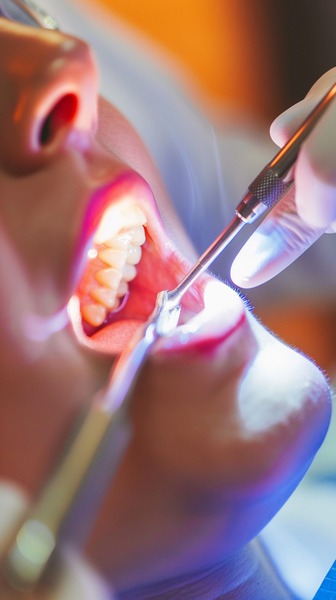
When extraction and implant placement happen together, the tooth is removed first, and the socket is cleaned out thoroughly to make sure no infected tissue or debris is left behind. The dentist then checks the socket walls for any fractures or thin spots that could compromise stability.
If everything looks favorable, the implant fixture is placed directly into the socket, angled and positioned to align with where the future crown will sit. Sometimes there’s a gap between the implant and the socket wall, and in that case a bone graft material is packed in around it to encourage new bone growth and hold the implant steady while it heals. A protective cover or healing cap goes over the implant, and depending on the case, a temporary tooth may be attached the same day for cosmetic and functional purposes, especially in visible areas of the mouth.
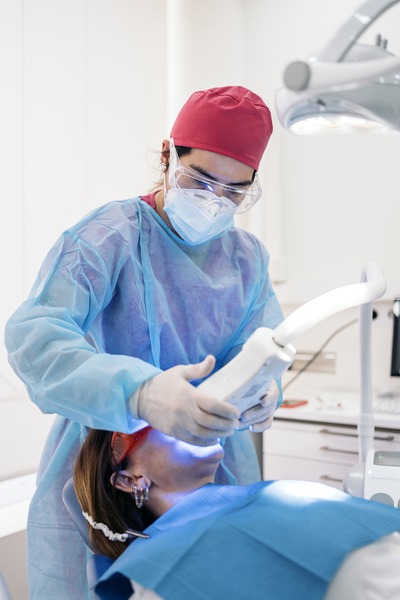
The whole combined procedure typically takes longer than a straightforward extraction alone, simply because there are more steps involved. Most patients go home the same day with instructions for managing swelling and keeping the area clean while the healing process gets underway.
The Healing Timeline After Immediate Placement
The first week or two after the procedure is about basic healing: reducing swelling, managing any discomfort, and letting the gum tissue close back over the surgical site. This part isn’t dramatically different from healing after any extraction.
The longer, more important phase is osseointegration, the process where the bone actually fuses to the implant surface and locks it in place. This generally takes a few months, and it’s the same whether the implant was placed immediately or after a healing period. Rushing a permanent crown onto an implant before this fusion is complete risks loosening or failing the implant, so even a same-day provisional tooth is usually a placeholder rather than the final restoration.
Regular check-ins during this window let the dentist confirm the implant is integrating properly. If anything looks off, whether that’s lingering inflammation or a sense that the implant isn’t as stable as expected, catching it early is far easier to manage than discovering a problem after the final crown is already attached.
When Waiting Is the Better Choice
Immediate placement isn’t the right call for every situation, and a good dentist will say so rather than pushing a same-day procedure just because it sounds more efficient. Active infection at the extraction site is one of the clearest reasons to wait; placing an implant into infected bone sets the whole treatment up to fail.
Significant bone loss is another common reason to delay. If the socket walls are thin, fractured, or there simply isn’t enough bone volume to stabilize an implant, a bone graft placed at the time of extraction (with the implant added later, once that graft has matured) tends to produce a more predictable, longer-lasting result. It’s a slower path, but for the right cases it’s the one that avoids complications down the road.
There’s no shame in a staged treatment plan. It’s a completely standard part of implant dentistry, and for a lot of patients it’s genuinely the safer, more reliable route to a strong, long-term result.
Bone Grafting and Site Preservation Considerations
Even in cases where an implant isn’t placed the same day, many dentists will still recommend a bone graft or socket preservation material at the time of extraction. This keeps the bone from collapsing inward while the site heals, which makes a future implant placement much more straightforward.
Socket preservation is a relatively minor addition to an extraction appointment, but it can make a meaningful difference months later when it’s time to move forward with the implant. It’s worth asking about directly if implants are part of the long-term plan, since not every extraction automatically includes this step unless the patient and dentist have discussed it in advance.
Caring for Your Mouth in the First Weeks
Whether the implant went in immediately or is planned for later, the first couple of weeks after any extraction call for some care. Sticking to soft foods, avoiding the extraction site when brushing too vigorously, and staying away from smoking (which slows healing considerably) all support a smoother recovery.
Rinsing gently with warm salt water a few times a day helps keep the area clean without disturbing healing tissue. Most dentists also recommend avoiding straws for the first several days, since the suction can dislodge the blood clot that’s protecting the socket underneath.
Any of these guidelines apply just as much to a socket with a fresh implant in it as they do to one that’s simply healing on its own, so it’s worth following the specific aftercare instructions given at the appointment rather than general advice found online.
Questions Worth Asking Before You Commit
Before agreeing to same-day extraction and implant placement, it’s reasonable to ask about the condition of the bone at the site, what happens if the implant doesn’t stabilize as expected, and how the temporary tooth (if there is one) will be cared for during healing. A dentist who welcomes these questions and explains the reasoning behind the recommended approach is generally a good sign.
It also helps to ask what imaging was used to make the decision. A 3D scan gives a much clearer picture of bone volume and density than a standard X-ray alone, and that extra information often shapes whether immediate placement is realistic for a particular tooth.
Finding the Right Team for the Job
Extraction and implant placement, whether done together or in stages, benefit from being handled by a team that treats them as one connected plan rather than two separate errands. A practice working as an implant dentist in Elmhurst that also manages the extraction itself can plan the socket, the graft if needed, and the implant timing around each other from the very first evaluation.
That kind of continuity matters more than it might seem. It means fewer handoffs, fewer repeated scans, and a treatment plan built around one consistent read of the bone and gum tissue rather than assumptions passed between providers. If a tooth is on its way out and implants are on the table as the long-term replacement, it’s worth having that conversation with a general Elmhurst dental office early, before the extraction date is even set, so the healing and replacement plan can be built together from the start.













































































0