
A brighter smile can feel like a small change with an outsized effect. It may make someone feel more comfortable in photos, more willing to smile during conversations, or simply happier with their reflection. Before booking an appointment, though, most people have one practical question: how long will the result actually last?
Professional whitening does not produce a permanent color change, because teeth are exposed to foods, drinks, and natural aging every day. Still, it can create a noticeable improvement that lasts well when it is paired with sensible habits and regular dental care. The exact timeline is personal, but understanding what affects it makes it much easier to set realistic expectations and protect the result.
There Is No Single Whitening Timeline for Every Smile
Professional teeth whitening commonly remains noticeable for months and can last much longer for people who are careful about staining habits. Some people choose occasional touch-ups to maintain their preferred shade, while others are happy to wait until the change becomes more apparent. A dental professional can help set an appropriate maintenance schedule based on the original tooth color, the whitening method used, and the person’s goals.
It also helps to distinguish between a whitening result fading and teeth returning to exactly where they started. Daily exposure to pigments can gradually deepen tooth color again, but attentive care may slow that process. The goal is usually not to preserve a frozen, artificial-looking shade forever. It is to keep the smile looking clean, bright, and natural over time.
Why Professional Treatment Can Be More Predictable
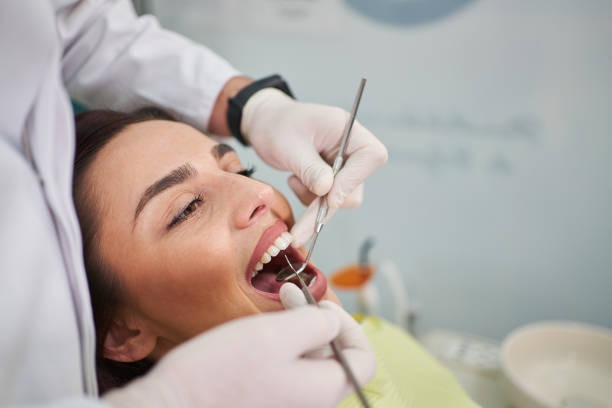
Professional whitening begins with an assessment of the teeth and gums. That matters because discoloration is not always caused by surface stains alone. A clinician can identify concerns such as cavities, gum irritation, worn enamel, or existing dental work that may affect whether whitening is appropriate and what kind of result a person can expect.
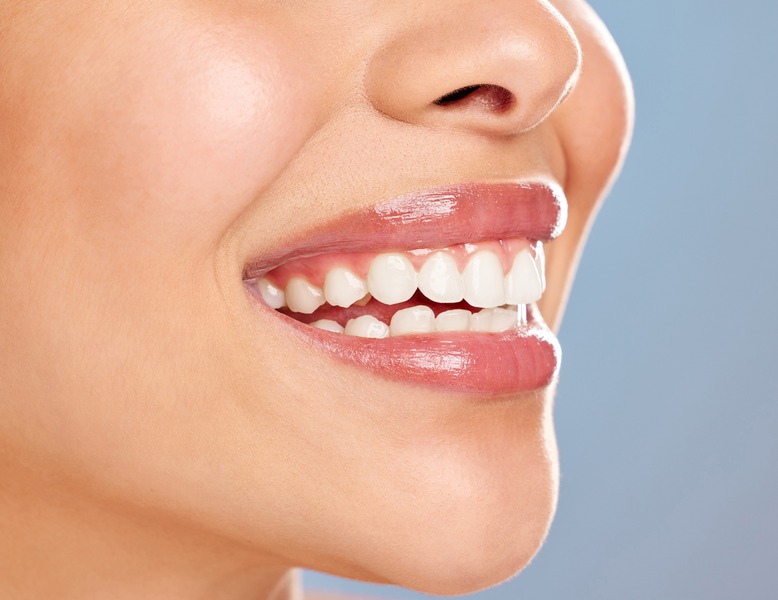
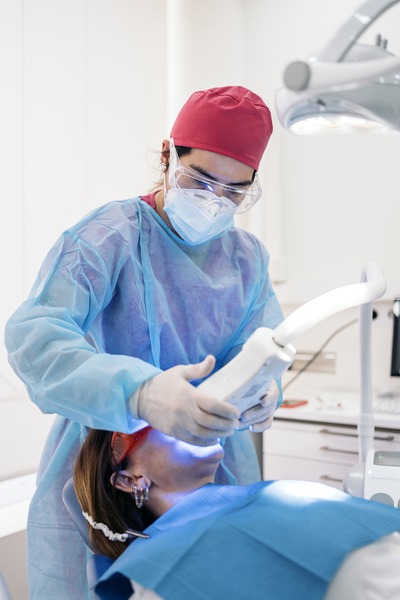
Professional care also offers a more tailored approach than choosing a product from a store shelf without guidance. Treatment can be planned around tooth sensitivity, uneven color, and the desired degree of brightening. Looking at examples of professionally managed teeth whitening can be useful for understanding that results vary from one smile to another and that a healthy, believable outcome is often the best aim.
The Starting Shade Changes What Lasts
Teeth begin at different shades for many reasons, including natural enamel thickness, dentin color, age, diet, medications, and past dental trauma. Someone with mostly surface discoloration from coffee or tea may see a different response than someone whose color is more deeply internal. A brighter starting result can be easier to maintain in some cases, but that is not a guarantee.
Uneven color may also influence a whitening plan. For example, one tooth may have darkened after an injury, or a few teeth may carry more stain near the gumline. In these situations, a dentist may discuss alternatives or additional steps instead of promising that one general whitening treatment will make every tooth look identical.
Food and Drink Habits Matter After Treatment
Darkly colored foods and drinks are among the most familiar causes of new staining. Coffee, tea, red wine, cola, berries, tomato-based sauces, and richly colored spices can all leave pigments on tooth surfaces over time. This does not mean that anyone needs to avoid favorite foods permanently. It simply means that frequency, timing, and oral hygiene can influence how quickly the brighter shade changes.
After whitening, a dentist may suggest being particularly mindful of deeply pigmented foods and beverages for a short period. Long-term, drinking water after coffee or meals can help rinse away residue. Using a straw for cold drinks that stain may also reduce contact with the front teeth. These are modest adjustments, but consistent small choices can make a visible difference.
Tobacco Can Shorten the Life of a Bright Result
Smoking and other tobacco use can stain teeth rapidly. The pigments can cling to enamel and collect in areas that are harder to clean, such as between teeth or near the gumline. In addition to affecting tooth color, tobacco can create broader oral health concerns, which is another reason to discuss its use openly during dental visits.
For a person who uses tobacco, whitening may still be part of a smile-care plan, but it is sensible to expect more frequent maintenance. Professional cleanings can remove some external stain, although cleaning is not a replacement for whitening when the overall tooth shade has darkened. Reducing or stopping tobacco use may benefit both smile appearance and oral health.
Daily Cleaning Helps Keep New Stains From Settling In
Brushing twice a day with a fluoride toothpaste and cleaning between the teeth are basic habits with an important role in whitening maintenance. Plaque can hold onto stain-producing compounds, while surfaces that are regularly cleaned are less likely to look dull. A soft-bristled toothbrush and gentle technique are generally preferable to aggressive scrubbing, which can irritate gums and contribute to wear.
Whitening toothpaste may help lift some surface stains, but it is not always the best answer for everyone. Some formulas are more abrasive than others, and people with sensitivity or enamel wear should ask their dentist which products suit their needs. A product that promises dramatic change is not necessarily the safest or most useful choice for long-term daily use.
Professional Cleanings Support a Brighter Appearance
Routine dental visits are valuable after whitening because plaque and tartar can make teeth appear less polished. A professional cleaning can remove buildup that ordinary brushing cannot fully address. It also gives the dental team a chance to check the gums, enamel, and any restorations before a person considers a whitening touch-up.
Cleanings and whitening do different jobs. A cleaning focuses on removing deposits and surface stain, while whitening changes the color of natural tooth structure. Keeping both parts of care in mind helps avoid disappointment. If teeth appear darker after several months, the answer may be a cleaning, a touch-up, a review of dietary habits, or a combination of these steps.
Existing Restorations Do Not Whiten With Natural Teeth
One of the most important facts to know before whitening is that crowns, veneers, bonding, and fillings do not change color in response to whitening gel. If a front tooth has a restoration that currently matches surrounding enamel, whitening the natural teeth may make that restoration appear comparatively darker. Planning before treatment can prevent an unexpected mismatch.
For people considering new cosmetic dentistry, whitening may sometimes be completed first so a future restoration can be matched to the brighter natural tooth shade. This is a conversation for a dentist, especially when treatment involves highly visible teeth. The shape, condition, and placement of existing dental work all affect the most practical sequence of care.
Gumline Details Can Affect How Bright a Smile Looks
Tooth color is only one part of a smile’s appearance. The amount of tooth visible above the gumline, the symmetry of the gums, and the overall proportions of the teeth can all influence whether a smile looks balanced. Someone may be focused on discoloration when the more noticeable concern is actually an uneven gumline or a tooth that looks short.
In selected situations, dentists may discuss procedures such as crown lengthening when gum tissue or tooth structure needs to be addressed for restorative, periodontal, or aesthetic reasons. It is not a whitening procedure, and it is not needed for every smile. The key point is that a complete evaluation can identify whether color is the only factor worth considering.
Sensitivity Should Be Managed Rather Than Ignored
Temporary tooth sensitivity is a common concern around whitening. It can feel like a brief zing or heightened reaction to cold foods and drinks. Sensitivity does not automatically mean whitening is unsafe, but it is a good reason to follow professional instructions carefully and report symptoms that are uncomfortable or persistent.
A dentist may recommend adjusting the treatment schedule, shortening wear time for a take-home product, or using a toothpaste designed to support sensitivity management. It is better to pause and ask for advice than to push through discomfort in pursuit of a faster change. A comfortable, gradual plan is more sustainable than an overly aggressive one.
Touch-Ups Work Best as Part of a Personal Plan
Whitening maintenance is not one-size-fits-all. A person who drinks coffee occasionally and has excellent oral hygiene may need a different touch-up pattern than someone who has frequent exposure to strong pigments. Changes in diet, smoking status, and dental health can also alter what maintenance makes sense from one year to the next.
At-home touch-up products provided or recommended by a dental professional can be convenient, but they should be used as directed. More product or more frequent application does not necessarily lead to a better result. Overdoing whitening can increase sensitivity and may leave a person chasing a shade that does not look natural alongside their skin tone and facial features.
Whitening Is Not the Right Fix for Every Type of Discoloration
Some discoloration responds less predictably to whitening. Internal staining, color changes related to an old injury, and certain developmental conditions may require a more individualized conversation. In some cases, whitening improves the overall smile while a single darker tooth needs separate evaluation. The best next step depends on what caused the color difference in the first place.
Missing teeth also call for a broader treatment discussion, since whitening affects natural enamel but does not replace a tooth or change the shade of an implant restoration. People researching options may come across resources about palm beach mdi implants, but any implant decision should be based on a full clinical examination, bone and gum health, bite considerations, and the person’s wider dental needs rather than cosmetic color alone.
How to Make a Whitening Result Feel Worthwhile
The most satisfying whitening outcomes usually come from clear expectations. Teeth can look fresher and brighter without becoming paper-white, and a natural shade often ages better visually than an extreme one. Before treatment, it is helpful to talk about the degree of change that is realistic, the role of existing restorations, and how sensitivity will be handled if it occurs.
It is also wise to take a long view. A professional whitening appointment can be a useful reset, but ongoing care preserves it. Regular cleaning, gentle daily hygiene, thoughtful choices around staining habits, and dentist-guided touch-ups all contribute to a result that lasts longer and continues to look like it belongs naturally to the person wearing it.
Questions Worth Asking Before Booking Treatment
A short consultation can clarify whether whitening is suitable now or whether another dental issue should be treated first. Useful questions include whether there are cavities or gum concerns to resolve, whether any crowns or fillings will show after whitening, what type of treatment is being recommended, and what the likely maintenance plan will be.
It is also reasonable to ask what to do if sensitivity appears and how to recognize a result that is approaching the limit of what looks healthy and natural. Whitening can be a straightforward part of dental care, but it works best when it is treated as part of the whole smile rather than as an isolated cosmetic shortcut. With good planning and sensible aftercare, a brighter smile can remain enjoyable well beyond the initial treatment.
















































































0