
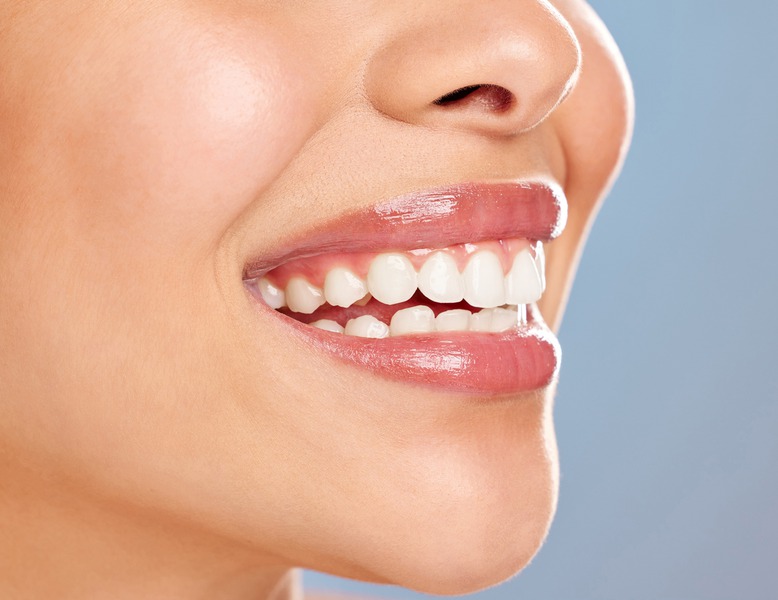
Porcelain veneers are one of the most popular ways to change the look of a smile. They are thin, custom-made shells bonded to the front surface of your teeth, and they can soften the look of stains, chips, small gaps, and uneven edges. Anyone who has looked into them has probably asked the same practical question: how long will they last?
The honest answer is that it depends on several things, and many of them are within your control. This guide walks through what veneers are made of, the lifespan range dentists commonly talk about, the daily habits that protect them, and the signs that tell you it may be time for a checkup. If you are weighing veneers right now, you will also find a few questions worth bringing to your dentist.
What Porcelain Veneers Are Made Of and Why It Matters
Dental porcelain is a ceramic material designed to reflect light a lot like natural enamel. It resists staining well, which is one reason veneers keep their color so nicely over the years. A veneer is usually less than a millimetre or so thick, but once it is bonded to a tooth, the two work together as a single, reinforced unit.
That bond is a big part of the story. A well-placed veneer is attached to the tooth with a strong dental adhesive, and the quality of that bond depends on the preparation of the tooth, the fit of the veneer, and the care taken at each step of the appointment. Because the veneer relies on the tooth underneath, a healthy tooth and healthy gums give it the best foundation.
Porcelain is strong under steady pressure and a little less forgiving when it faces a sudden sharp force, such as biting down on a hard olive pit. Knowing this helps explain most of the advice in this article. Veneers do very well with ordinary chewing and daily life, and they ask for a bit of thoughtfulness around the unusual stresses.
The Typical Lifespan Range
Dentists commonly describe porcelain veneers as lasting somewhere in the range of 10 to 15 years with good care. Some people enjoy their veneers for longer, and some need a repair or replacement sooner. Nobody can promise an exact number for a particular smile, because each mouth has its own bite, habits, and oral health history.
It helps to think of a veneer the way you think of a well-made pair of leather shoes. With regular care and sensible use, they hold up beautifully. With rough treatment, they wear faster. The material is capable of a long life, and the habits around it help decide how much of that potential you see.
If you are comparing options, ask your dentist what lifespan they typically see in their own patients and what has helped those veneers last. A dentist who explains both the range and the reasons behind it is giving you information you can plan around.
Why the Original Planning and Placement Matter So Much
Longevity begins before the veneers are made. During the first visits, a dentist looks at the shape of your teeth, the way your upper and lower teeth meet, the health of your gums, and any signs of grinding or clenching. These details shape how the veneers are designed, how thick they are, and where they sit relative to your bite.
Preparation is the next piece. Most veneers involve gently reshaping a small amount of enamel so the veneer can sit flush with neighbouring teeth. Precise preparation and accurate impressions or scans lead to a better fit, and a better fit means a cleaner edge where the veneer meets the tooth. Clean edges are easier to brush and floss, which protects both the veneer and the tooth.
Patients who live on the Westside of Los Angeles have plenty of choices for this kind of work. A Marina Del Rey cosmetic dental office that takes time with planning, shade matching, and bite evaluation is a good example of the kind of practice to look for, wherever you live. The same principles apply anywhere: thorough planning at the start sets up the years that follow.
Everyday Brushing and Flossing Habits That Protect Veneers
The good news is that veneers do not ask for a special routine. Brushing twice a day with a soft-bristled toothbrush and flossing daily is the foundation. The veneer itself cannot decay, but the natural tooth beneath it and the gum line around it can, and problems at the edges are one of the main reasons veneers are replaced.
Choose a non-abrasive toothpaste. Very gritty formulas, including some strongly marketed whitening pastes, can slowly dull the polished surface of porcelain over the years. Ask your dentist or hygienist which toothpaste they recommend for your situation. A soft brush and gentle, unhurried strokes are kinder to both your gums and your veneers.
Flossing deserves a mention of its own. Slide the floss down between teeth and curve it around each tooth, rather than snapping it straight up and down against the veneer edge. If you struggle with traditional floss, interdental brushes or a water flosser can be good alternatives, and your hygienist can show you which one suits your spacing.
Foods and Drinks Worth Thinking About
Porcelain resists stains better than natural enamel, but the thin line of bonding material at the edge of a veneer and your remaining natural teeth can still pick up color. If you drink coffee, tea, or red wine regularly, rinsing with water afterward is a simple habit that helps. Drinking through a straw can also reduce contact with your front teeth.
Hard foods are the other category to handle with care. Biting into ice, hard candy, unpopped popcorn kernels, or a whole raw carrot with your front teeth places a concentrated force on the veneer. Cutting hard foods into smaller pieces and using your back teeth for chewing spreads the load more evenly. Using your teeth as tools, for example opening packages or cracking nuts, is a habit worth retiring.
Sugary and acidic drinks affect the whole mouth, including the teeth that support your veneers. Sipping soda or sports drinks slowly across the day keeps your teeth bathed in acid and sugar for longer. Finishing a drink in one sitting and following it with water is a gentler approach.
Grinding, Clenching, and Why a Night Guard May Help
Many people clench or grind their teeth without realizing it, often during sleep. Over time, that repeated force can cause tiny chips or cracks in porcelain and can loosen the bond between veneer and tooth. Signs that you might grind include morning jaw soreness, headaches, flattened tooth edges, or a partner who hears grinding at night.
If your dentist suspects grinding, they may suggest a custom night guard. This is a thin, comfortable appliance worn while you sleep, and it creates a cushion between your upper and lower teeth. A guard made to fit your mouth is usually more comfortable and protective than a store-bought version, since it is shaped to your bite.
Contact sports are another reason for a guard. If you play hockey, basketball, or any sport with a risk of impact to the face, a fitted mouthguard protects your natural teeth and your veneers. It is a small investment of time compared with the repair of a damaged smile.
Professional Cleanings and Checkups Keep Small Things Small
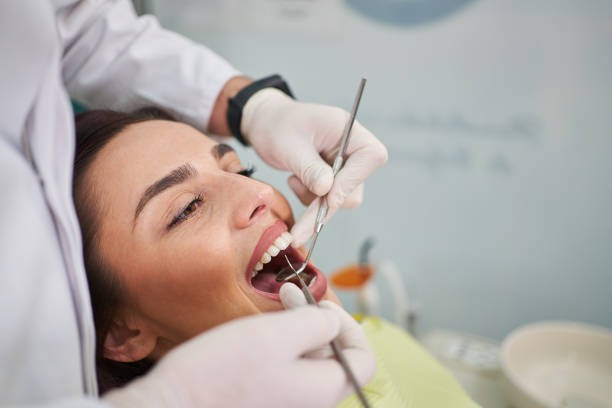
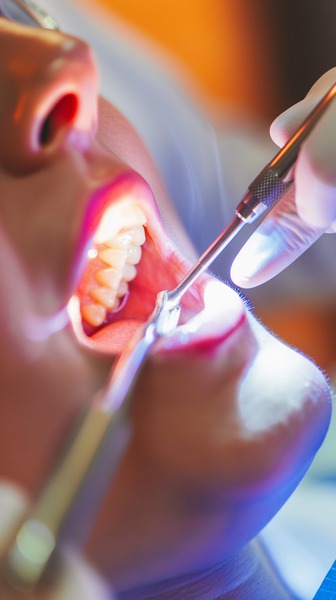
Regular dental visits are one of the most effective things you can do for veneers. During a checkup, your dentist examines the edges of each veneer, checks the health of your gums, and looks for early signs of wear or decay. Catching a small issue early often means a simple fix.
Professional cleanings also remove plaque and tartar that home brushing can miss, especially along the gum line where veneers end. Hygienists use tools and polishing methods that are safe for porcelain, and they can tell you if any product in your routine may be too abrasive. Most dentists suggest a cleaning schedule based on your individual needs, commonly every six months, though your own oral health may call for a different rhythm.
Checkups also give you a place to ask questions. If a veneer feels slightly rough, if your bite feels different, or if a tooth feels sensitive, these are all worth mentioning. Dentists would much rather hear about a small change early than see a larger problem later.
Teeth Whitening and Veneers: Getting the Order Right
Porcelain veneers do not respond to whitening agents the way natural enamel does. Their color is set when they are made. This means that if you want brighter natural teeth, it is wise to whiten first and then choose veneer shades to match the brighter result.
If you whiten after veneers are placed, the natural teeth may lighten while the veneers stay the same, which can leave a visible difference. Talk to your dentist before using any whitening product once you have veneers. They can advise on the safest way to refresh your smile or recommend professional options that suit your situation.
Signs Your Veneers Deserve a Closer Look
Most veneers age quietly, but a few signs suggest a dental visit is a good idea. A small chip or a rough spot you can feel with your tongue is one. A veneer edge that feels loose or catches floss is another. Sensitivity to hot or cold in a veneered tooth, or visible dark lines near the gum, can also be worth checking.
Gum changes matter too. Gums that become red, swollen, or tender around a veneer need attention, since healthy gums are part of what keeps a veneer looking natural. As gums naturally shift over many years, the edge of a veneer can become more visible, and your dentist can talk through whether any adjustment is useful.
If a veneer comes off entirely, keep it safe, avoid trying to glue it back yourself, and call your dentist promptly. Many times the veneer can be examined and reattached, and prompt attention protects the underlying tooth.
What Happens When Veneers Eventually Need Replacing
Even well-cared-for veneers are not permanent. Over a decade or more, small changes add up: the polish dulls slightly, edges wear, or your gums and teeth shift. Replacement is a routine procedure. The old veneer is removed, the tooth is checked and prepared again if needed, and a new veneer is made to fit the current shape of your smile.
Replacement is also a chance to update. Maybe your preferred shade has changed, or you want a slightly different length. Many patients find it reassuring to know that veneers can be refreshed rather than treated as a one-time, never-to-be-revisited decision.
Because veneers involve changing a thin layer of enamel, they are considered a long-term commitment for the tooth. That is why a thoughtful conversation at the beginning is so valuable, including what replacement may look like many years from now.
Choosing a Dentist Who Plans for Longevity
When you meet with a dentist about veneers, you are trying to understand how they think about your teeth, not only how they plan to improve them. A few questions can help. How do they evaluate your bite? How do they decide on the number of veneers? What materials and lab do they use? How do they handle follow-up care?
Ask to see examples of their work, and take your time reading how they describe the process. Look for plain explanations, an unhurried pace, and a willingness to talk about alternatives. If you live near Los Angeles, practices offering long-lasting veneers in Marina Del Rey typically describe a process of reshaping enamel, taking precise impressions, and bonding custom-made porcelain, which is a useful template for comparing any office you visit.
Your comfort matters as well. You will return for checkups over many years, so a team that listens and explains clearly can make the whole experience easier. Trust your sense of whether you feel heard.
When Another Treatment May Come First
Veneers are wonderful for surface concerns such as stains, minor chips, and small spacing. When the main issue is the position of the teeth, a different approach may serve you better. Crowding or noticeable shifting is often addressed by moving the teeth themselves, and veneers can be considered afterward if surface refinements are still wanted.
Clear aligners are one way to do this, and many adults like them because they are removable and discreet. If you are curious whether alignment could be a first step, an Invisalign consultation near Marina Del Rey is an example of the kind of visit where a dentist reviews your bite, your spacing, and your goals before recommending a path. Bringing your veneer questions to that conversation helps your dentist plan the order of treatment.
For a chip or a small gap, cosmetic bonding is often a quicker and more affordable option, and for a tooth that is cracked or structurally weakened, a crown can be the stronger choice. A good dentist will walk through these alternatives with you instead of steering every smile toward the same solution.
Planning for the Cost Side of Long-Term Smile Care
Veneers are an investment, and it makes sense to think about the full picture. Ask for a written treatment plan that lists what is included. Find out whether your dental plan offers any coverage, since cosmetic procedures are often treated differently from restorative ones and coverage varies from plan to plan.
It also helps to budget a little for upkeep. Routine cleanings, a possible night guard, and the eventual replacement down the road are all part of the long-term picture. Spreading those expected costs across the years makes them feel more manageable, and many offices will talk through payment options if you ask.
Finally, remember that a veneer is only as healthy as the mouth around it. Money spent on regular exams and cleanings supports every other dental investment you make.
A Simple Checklist for Keeping Veneers Looking Their Best
Here is a short list you can keep on your phone or fridge:
- Brush twice a day with a soft brush and a non-abrasive toothpaste.
- Floss daily, curving the floss around each tooth gently.
- Rinse with water after coffee, tea, or red wine.
- Avoid biting ice, hard candy, and other very hard foods with your front teeth.
- Ask about a custom night guard if you clench or grind, and wear a mouthguard for contact sports.
- Keep up with regular exams and professional cleanings.
- Check with your dentist before using whitening products.
- Call your dentist about chips, rough edges, loose veneers, or gum changes.
None of these habits take much time, and together they support the long, comfortable life that porcelain veneers can have. A smile you feel good about is worth looking after, and the routine is simple enough to become second nature within a few weeks.
Looking Ahead With Confidence
Porcelain veneers can serve for many years when they are carefully planned, well placed, and cared for with ordinary good habits. The range of 10 to 15 years is a helpful guide, and your own results will depend on your bite, your daily routine, and how consistently you visit your dentist.
If you are considering veneers, start by writing down what you would like to change about your smile and the questions you want answered. Then book a visit with a dentist you feel comfortable with, and let the conversation shape the plan. With the right preparation and a little steady care, your veneers can stay a source of everyday confidence.












































































0