
A sore tooth at midnight can feel like a five-alarm fire, but not every ache means you need to drop everything and rush to urgent care. On the other hand, some symptoms that seem minor at first can turn into much bigger problems if you wait too long. Knowing the difference between “this can wait until Monday” and “this needs attention right now” takes some of the panic out of a stressful moment and helps you protect your smile for the long run.
This guide walks through the signs that point to a true dental emergency, the situations that are usually safe to manage at home for a day or two, and the steps you can take while you figure out your next move. Whether you are dealing with sudden pain, an injury, or a broken restoration, understanding what is happening in your mouth is the first step toward getting the right kind of care.
What Actually Counts as a Dental Emergency
A dental emergency generally involves severe pain, uncontrolled bleeding, visible trauma to a tooth or the surrounding tissue, or an infection that could spread if it goes untreated. The common thread is urgency: waiting days or weeks would likely make the outcome worse, whether that means losing a tooth, developing a more serious infection, or dealing with complications that are harder to treat later.
Not every uncomfortable dental situation fits this description. A dull ache that comes and goes, mild sensitivity to cold drinks, or a small chip that does not hurt are usually things you can schedule a regular appointment for rather than seeking same-day care. Learning to sort these situations apart saves you unnecessary stress and helps you use urgent dental resources for the people who truly need them right away.
Severe or Worsening Tooth Pain
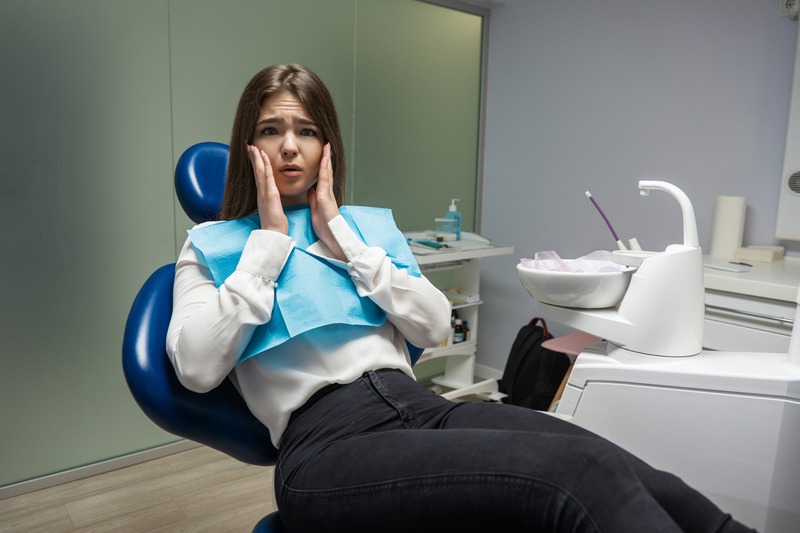
Tooth pain that is intense, constant, or getting worse by the hour is one of the clearest signals that something needs attention soon. This kind of pain often points to a deep cavity, an abscess, or an infection inside the tooth’s pulp. When the pain is sharp enough to interrupt sleep or concentration, or when it is accompanied by throbbing that radiates into the jaw or ear, it is worth treating as urgent.
Pay attention to any swelling in the face or gums that shows up alongside the pain. Swelling can mean the infection has moved beyond the tooth itself and into the surrounding tissue, which raises the stakes considerably. A fever paired with dental pain is another red flag that should not be ignored, since it often indicates the body is fighting an infection that needs professional treatment rather than home remedies.
A Knocked-Out Tooth
Few dental situations feel as alarming as having a tooth completely knocked out, but quick action can sometimes save it. If you or someone nearby experiences this, try to find the tooth and pick it up by the crown, not the root. Rinse it gently with water if it is dirty, but avoid scrubbing it or removing any attached tissue.
If possible, try to place the tooth back into its socket and hold it there with clean gauze or a soft cloth. If that is not doable, keep the tooth moist by placing it in a container of milk or holding it inside your cheek. Time matters here. The chances of successfully reimplanting a tooth drop significantly after the first thirty minutes, so this is a situation where getting to a dentist quickly makes a real difference.
Cracked or Fractured Teeth
A tooth that cracks from biting down on something hard, or from a blow to the face, does not always look dramatic, but the damage underneath can be significant. Small hairline cracks might only cause mild discomfort at first, while a more serious fracture can expose the inner layers of the tooth and lead to sharp pain, especially when chewing or when the tooth is exposed to temperature changes.
If a crack has caused a visible piece of the tooth to break away, or if you notice a sharp edge with your tongue, it is a good idea to have it looked at soon rather than waiting. Left untreated, a cracked tooth can allow bacteria to reach the inner pulp, which raises the risk of infection and may turn a simple repair into a more involved procedure like a root canal.
Uncontrolled Bleeding in the Mouth
Minor bleeding after brushing too hard or biting your cheek is common and usually stops on its own within a few minutes. Bleeding that continues for more than fifteen to twenty minutes despite firm, steady pressure is a different story and should be treated as urgent. This can happen after an injury, a tooth extraction that has not healed properly, or trauma to the gums, lips, or tongue.
While waiting for care, apply a clean piece of gauze or a damp tea bag to the area and hold firm, consistent pressure. Avoid rinsing vigorously or poking at the area, since this can disrupt any clotting that has started. If bleeding is heavy, will not slow down, or is paired with significant swelling, treat it as a priority rather than something to sleep on.
Lost Fillings or Crowns
Losing a filling or crown is uncomfortable, but it is rarely a true emergency unless it comes with pain or leaves a sharp edge that is cutting your tongue or cheek. The bigger concern is that the exposed tooth underneath is now more vulnerable to decay, temperature sensitivity, and further damage, so it should not be left unaddressed for too long even if it is not actively painful.
If you lose a crown, try to keep it if you can find it, since a dentist may be able to reattach it after cleaning the area. In the meantime, avoid chewing on that side of your mouth and keep the exposed tooth clean by rinsing gently with warm water. Over-the-counter dental cement from a pharmacy can offer temporary relief if the edge is bothering you, but this is a stopgap, not a long-term solution.
Swelling That Spreads Beyond the Mouth
Swelling confined to a small area of the gum near a specific tooth is often a sign of a localized infection, which still needs prompt attention but may not require an emergency room visit. Swelling that spreads to the face, jaw, or neck is a different level of concern, particularly if it affects your ability to swallow or breathe comfortably.
This type of spreading swelling can indicate that an infection has moved into deeper tissue, which is a serious situation that needs immediate medical attention. If you notice difficulty breathing or swallowing along with facial swelling, this warrants a trip to the emergency room rather than waiting for a dental appointment, since it can affect more than just your teeth.
Abscesses and Signs of Infection
A dental abscess is a pocket of infection that usually shows up as a painful, swollen bump on the gum, sometimes with a foul taste in the mouth if it drains on its own. Abscesses do not resolve without treatment. They may go quiet for a while, but the infection is still present and can flare back up or spread if the underlying cause is not addressed.
Common signs include persistent throbbing pain, sensitivity to pressure when chewing, a bad taste that will not go away, and sometimes a low-grade fever. Because an untreated abscess can spread infection to other parts of the body in rare but serious cases, this is a situation where earlier treatment is always better than waiting to see if it improves on its own.
When a Chipped Tooth Is Not an Emergency
Small chips that do not cause pain and do not have sharp edges are usually fine to address at a routine appointment. Cosmetic dental bonding or minor smoothing can often fix these issues without any rush, especially if the chip is small and the tooth’s nerve was not affected.
That said, keep an eye on the tooth over the following days. If it starts to feel sensitive to hot or cold, develops a dull ache, or if the edge is irritating your tongue or cheek, it is worth moving up your timeline. Trust how the tooth feels, not just how it looks, since some damage from a chip does not become obvious until a bit of time has passed.
What to Do While You Are Deciding
If you are unsure whether your situation qualifies as urgent, a few simple steps can help manage discomfort while you figure out your next move. Rinsing with warm salt water can reduce irritation and help keep the area clean. Over-the-counter pain relievers, taken as directed, can make waiting more bearable, though they should be treated as a short-term measure rather than a substitute for treatment.
Cold compresses held against the outside of the cheek can help with swelling, particularly after an injury. Avoid chewing on the affected side, and steer clear of very hot, cold, or hard foods that might aggravate the area further. These steps will not resolve the underlying issue, but they can make the hours before you get proper care more comfortable.
Getting Timely Care in Jacksonville
Recognizing the signs above is only half the equation. The other half is having a plan for where to go when something comes up. Reaching out to an emergency dentist in Jacksonville, FL as soon as symptoms appear gives you the best chance of a straightforward resolution rather than a more complicated one. Dental issues rarely improve by waiting, and a same-day evaluation can often mean the difference between a simple fix and a more extensive procedure.
If your emergency involves a tooth that cannot be saved through a repair, replacement options like dental implants may come up as part of the conversation about restoring your smile once the immediate issue is resolved. Having a general sense of what quality dental care in Jacksonville, FL looks like, and knowing where you would go if something happened, takes a lot of the guesswork out of a stressful situation.
Building a Habit of Paying Attention
Many dental emergencies do not appear out of nowhere. A tooth that eventually cracks under pressure may have had a small, unnoticed weakness for months. An abscess that suddenly flares up is often the result of a slow-building infection that had few noticeable symptoms early on. Regular checkups give a dentist the chance to catch these issues before they turn into something urgent.
Paying attention to your own mouth between visits matters too. Notice changes in sensitivity, new rough edges on a tooth, gums that bleed more easily than usual, or any lingering discomfort that does not have an obvious cause. Catching small changes early is one of the most effective ways to avoid a middle-of-the-night emergency altogether, and it makes routine dental visits far more productive when something does need attention.
Trusting Your Judgment
At the end of the day, you know your body better than any checklist can capture. If something feels seriously wrong, whether or not it matches every item on a list of emergency symptoms, it is reasonable to seek care sooner rather than later. Dental professionals would much rather see a patient who turns out to be fine than have someone wait too long on something that needed prompt attention.
Use the signs above as a general guide, but let your own comfort level be part of the decision too. Pain that disrupts your daily life, an injury that changes how your mouth looks or functions, or a nagging sense that something is not right are all valid reasons to pick up the phone and ask a professional for their opinion.












































































0