
There’s a particular kind of exhaustion that accumulates not from doing too little, but from doing too much without enough intentional recovery. For people who operate at high capacity — whether in demanding careers, caregiving roles, or simply the relentless pace of modern life — the idea of a structured wellness retreat can feel simultaneously appealing and unfamiliar. Where do you start? What should you look for? And how do you find a format that actually fits your life?
These are the questions that drive more and more travelers toward dedicated wellness retreat experiences each year. And as the category has matured, so too have the offerings — from basic spa weekends to genuinely transformative immersive programs.
Why Structure Matters in Wellness Travel
There’s a meaningful difference between a relaxing vacation and a wellness retreat. Both have value, but they accomplish different things.
A relaxing vacation is about stepping away from demands. You decompress, you rest, you return to your regular life feeling refreshed. The experience is largely passive — you’re receiving, not building.
A wellness retreat, by contrast, is designed to do something more: to introduce you to practices and frameworks that can genuinely change how you feel and function, both during your stay and after you return home. The structure isn’t incidental — it’s the mechanism by which meaningful change happens.
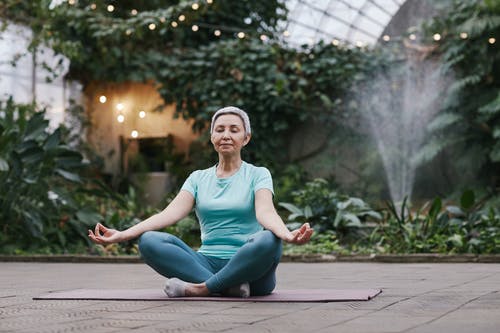
This is why the best retreat programs combine intentional movement, guided nutrition, and restorative rest within a framework that’s personalized to the individual. You’re not just being pampered; you’re being taught how to take better care of yourself.
What to Expect From a Well-Designed Retreat
The most effective wellness retreats share a few characteristics that are worth understanding before you book.
Assessment and personalization. Quality programs begin by understanding where you are, not where they assume you should be. This might involve health screenings, conversations with wellness guides, or assessments of sleep quality, stress levels, and movement capacity. From this baseline, a program can be tailored to your actual needs.
Integrated programming. Rather than offering isolated treatments — a massage here, a yoga class there — the best retreats integrate multiple modalities into a coherent experience. Movement practices inform how you nourish yourself; rest practices deepen the benefits of movement; nutrition supports recovery. Each element amplifies the others.
Expert facilitation. The difference between following a video and working with a skilled practitioner in person is substantial. Retreats that attract genuinely skilled guides, coaches, and therapists can offer insights and adjustments that no digital wellness program can match.
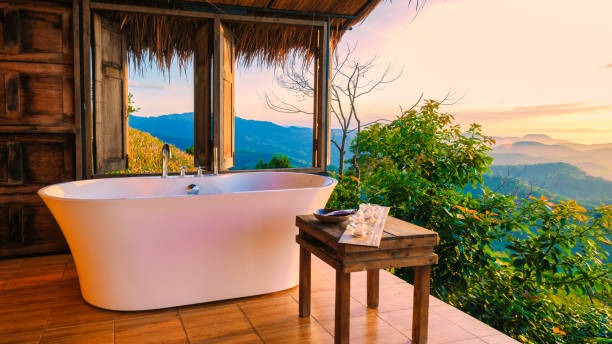
Natural setting. This often gets treated as an aesthetic bonus, but it’s actually functional. Exposure to natural environments has well-documented effects on the nervous system — reduced cortisol, improved mood, enhanced cognitive function. When a retreat is situated in a place of genuine natural beauty, the environment itself becomes therapeutic.
The Lānaʻi Advantage
Among the world’s retreat destinations, few offer the combination of natural wonder and programmatic depth that characterizes the best Hawaii experiences. The island of Lānaʻi, in particular, has become a reference point for what wellness travel can aspire to be.
The island’s remoteness is a feature, not a limitation. When you’re somewhere that requires real effort to reach, the act of arrival itself signals a shift. You’ve invested something meaningful to be here, and that investment changes the quality of your attention.
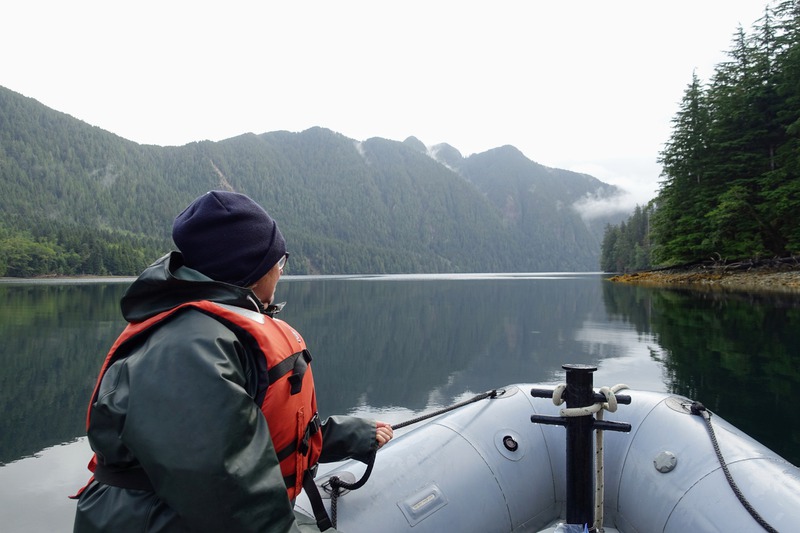
Activities on Lānaʻi take full advantage of the island’s extraordinary landscape. Guests seeking unique outdoor excursions can explore red dirt trails, venture into protected marine reserves, or join guided experiences that weave cultural and natural context into the activity itself. These aren’t just recreational diversions — they’re designed as movement experiences that engage the body and the mind simultaneously.
The Question of Duration
One of the most common questions people have when considering a wellness retreat is how long to stay. The honest answer is: longer than you think, probably.
The first day or two of any retreat tends to be spent shedding the patterns of your regular life. The nervous system takes time to downshift. Old mental habits don’t dissolve overnight. It typically takes until the midpoint of a retreat for most people to feel genuinely present and available to what the experience is offering.
This is one reason why multi-day structured packages tend to produce more lasting benefits than weekend getaways. For people who are ready for a sustained immersive experience, a Sensei sabbatical package offers the kind of depth that shorter stays simply can’t provide. A dedicated block of time — free from regular responsibilities — creates the conditions for the kind of reflection and recalibration that many people have been needing for years.
What You Take Home
The measure of a great wellness retreat isn’t only how you feel during your stay — it’s how effectively the experience translates into your everyday life. This is why the best programs invest in education alongside experience.
When you understand why something works — why certain breathing practices calm the nervous system, why particular movement patterns support longevity, why specific nutritional approaches affect energy and cognition — you can continue practicing at home with genuine understanding rather than just mimicry.
For guests who want this kind of depth, a structured program like the Lanai guided health and wellness program offers a curated pathway through evidence-based practices, with expert guidance that ensures you’re building skills and understanding, not just checking off experiences.
Planning Your First Retreat
If you’re considering a wellness retreat for the first time, a few practical guidelines can help you choose well.
Start by being honest about what you actually need. Are you primarily seeking rest, or are you ready for something more active and challenging? Do you want solitude and reflection, or would you benefit from a social experience where you share the journey with others? Is this about physical recovery, mental health, or genuine skill-building in wellness practices?
Research the credentials of the practitioners and guides. The wellness industry has a wide range of quality levels, and the best experiences are staffed by people with genuine expertise — not just people with appealing personalities.
Consider what comes after the retreat. The best programs build in some form of continuity support — whether that’s follow-up consultations, home practice recommendations, or ongoing community access.
Most importantly, give yourself permission to take this seriously. Investing in your own health and wellbeing isn’t indulgent — it’s one of the highest-leverage things most people can do for every other area of their lives. The clarity, energy, and perspective that emerge from a genuinely restorative retreat experience tend to ripple outward in ways that are hard to fully anticipate until you’ve had the experience yourself.


















































































0